Written by the Instant Reno Team
The Complete Australian Bathroom Renovation Cost Estimate Guide (2025)
Renovating a bathroom is one of the quickest ways to add value and comfort to an Australian home — but the moment you start pulling off tiles you realise how easy it is for costs to blow out. If you’re searching for a reliable, realistic bathroom renovation cost estimate, you’re in the right place.
Bathroom renovation cost estimate is the single most important phrase any homeowner should understand before signing a contract. Accurate planning stops nasty surprises, keeps your budget intact and helps you decide whether to patch, refresh or gut-and-replace.
In this detailed, no-nonsense guide I’ll walk you through what impacts price in Australia, show realistic ranges for every trade and material, and give practical steps to get a firm quote that won’t leave you out of pocket. I’m a construction manager with 20+ years on Aussie reno sites — I’ll keep it frank, useful and Aussie-straightforward.
Who this is for: homeowners who want a clear, actionable cost guide — from small powder rooms and ensuites to full bathroom gutters.
What you’ll get: realistic price bands, material and labour breakdowns, compliance checks relevant to Australian standards, and practical tips to save money without cutting corners.
Read on — and if you’re planning a reno, get out a pen. This will save you thousands and a whole lot of stress.
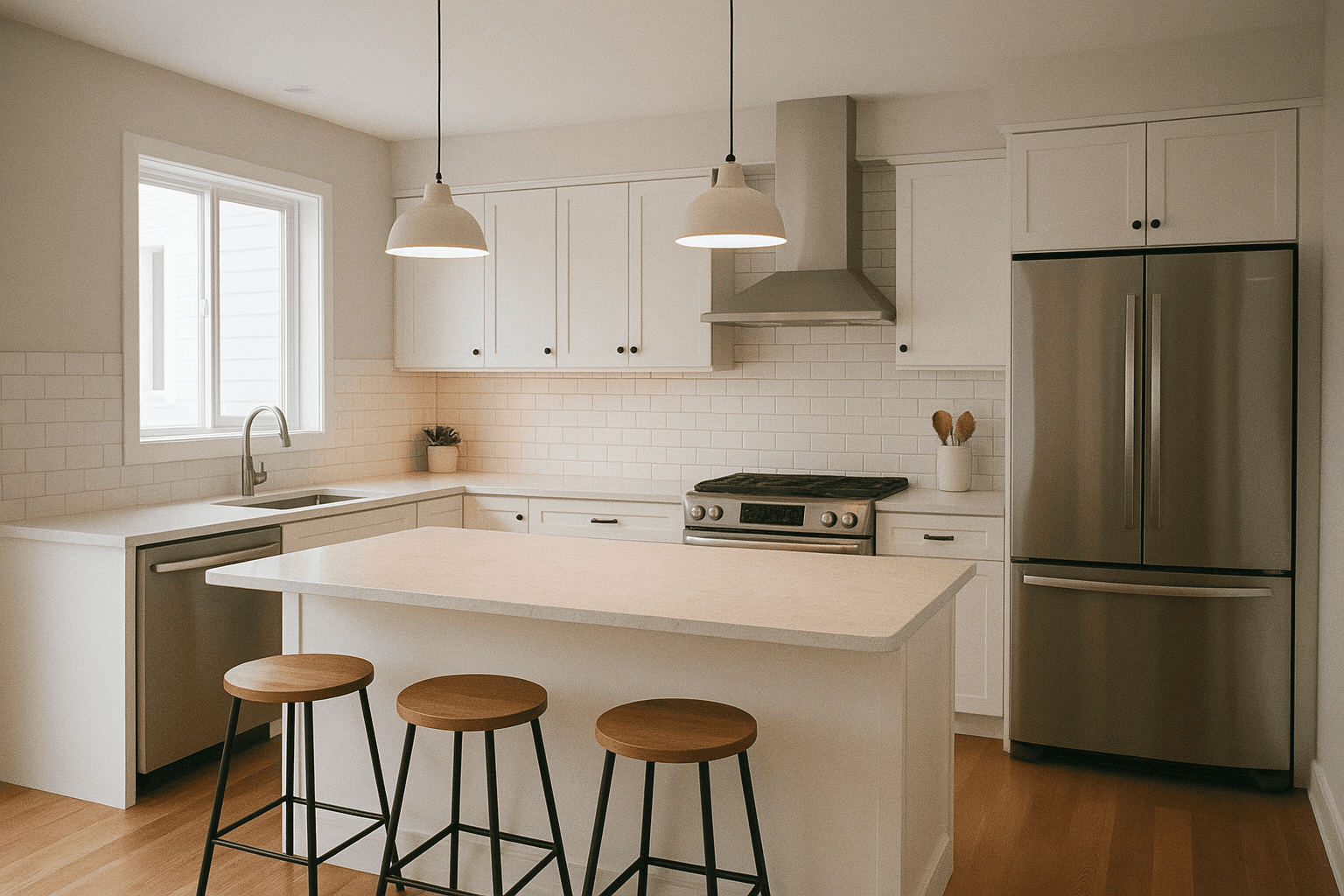
Estimating the Costs for bathroom renovation cost estimate
This section breaks down typical costs in Australia. Use it as your baseline when comparing quotes. Prices are ranges to reflect cheap-to-premium choices and regional labour differences (Sydney/Melbourne/Perth/Brisbane vs country towns).
Quick price bands (per bathroom)
Basic refresh / cosmetic update (no structural or plumbing move): $4,000 – $12,000
Small ensuite or powder room (partial upgrade): $8,000 – $20,000
Standard full bathroom renovation (mid-range): $18,000 – $35,000
High-end full renovation (designer or large bathroom): $35,000 – $80,000+
Full gut & re-configure (+ structural move/plumbing relocate): $30,000 – $100,000+
These bands include demolition, fixtures, tiling, waterproofing, plumbing and labour but exclude major structural works or extensive asbestos removal.
Material & fixture price guide (typical ranges)
Toilet (wall-hung or floor): $150 – $1,200
Vanity (standard to custom): $200 – $3,500+
Basins / tapware: $80 – $1,200 each
Shower screens (frameless/glazed): $250 – $2,000
Bathtub (standard acrylic to freestanding): $250 – $4,000+
Tiles (porcelain/ceramic): $30 – $250 per sqm
Tile labour (installation): $40 – $90 per sqm (plus grout & trims)
Waterproofing membranes / labour (AS 3740 compliant): $700 – $3,500 depending on size & product
Plumbing rough-in (new fixtures, no relocation): $800 – $3,000
Plumbing relocation (move drains or hot water lines): $1,500 – $6,000+
Electrical (lighting, heated towel rail, extraction fan): $200 – $1,500
Cabinetry & joinery (custom): $1,000 – $8,000+
Mirror & lighting: $150 – $1,200
Demolition & disposal (including skip bin): $300 – $2,500
Asbestos removal (if required): $1,500 – $15,000 (depending on material & area)
Labour rates and trade involvement
Tiler: $40–$90/hr or negotiated per sqm
Plumber: $80–$160/hr (or fixed price per fixture/relocation)
Electrician: $80–$150/hr
Carpenter/joiner: $60–$120/hr
Waterproofer: specialist rates; many charge per job (see waterproofing costs above)
General labour / demolition: $45–$80/hr
Remember: metropolitan areas usually sit at the upper end of these ranges.
Typical cost breakdown percentage (mid-range full renovation)
Fixtures & fittings (toilet, vanity, tapware, shower screen, tiles): 30–45%
Labour (trade hours across plumber, tiler, carpenter, electrician): 30–40%
Waterproofing & substrate prep: 8–12%
Demolition, disposal & clean-up: 4–8%
Contingency & approvals: 5–10%
Step-by-step budgeting process (how to estimate for your job)
Decide scope: cosmetic, partial, full gut, or layout change. Layout change = big cost jump due to plumbing/drain relocation.
Measure area: calculate wall & floor sq metres for tiles, waterproofing and plaster.
Select standard, mid or premium fixtures: pick real product prices from suppliers (Bunnings, Reece, Beaumont Tiles, online specialists).
Add trade rates: get hourly or per-job rates from local trades — use local Facebook groups or trades directories to benchmark.
Add demolition & disposal: include skip bin hire/unloading fees.
Add compliance & approvals cost: if structural work or change in drainage, include council fees.
Add contingency: 10–20% for hidden issues (asbestos, rotten timber, corroded waste pipe).
Check GST: most trades and materials include 10% GST — ensure quotes break this out.
Compliance & standards to factor in (Australia-specific)
Waterproofing: must meet Australian Standard AS 3740 (Waterproofing of domestic wet areas). Licensed waterproofers help ensure compliance. Reference: https://www.standards.org.au
Plumbing: must be completed by a licensed plumber. Check state regs (NSW Fair Trading, QBCC, etc.). Example: NSW Fair Trading: https://www.fairtrading.nsw.gov.au
Electrical: must be by a licensed electrician. Bonus: any new bathroom often requires a dedicated RCD-protected circuit for safety.
Asbestos: houses built before the late 1980s commonly contain asbestos cement sheeting — check SafeWork guidance before demolition: https://www.safeworkaustralia.gov.au/asbestos
Practical example budgets (real-world scenarios)
Small powder room refresh (no wet area rework):
Vanity & basin: $400
New toilet: $350
Paint & minor tiling: $800
Labour & install: $1,500
Total: ~$3,050 (expect $3k–$5k)
Standard bathroom (mid-range, same location layout):
Tiles (15 sqm at $80/sqm incl tile labour): $1,200
Vanity & benchtop: $1,500
Shower & screen: $2,000
Toilet & tapware: $800
Waterproofing: $1,600
Plumbing & electrician: $3,500
Demolition/disposal & contingency: $2,000
Total: ~$12,600 (expect $12k–$25k depending on choices)
Full gut + reconfigure (move toilet & shower):
Additional plumbing & drainage relocation: $3,000–$8,000
Structural work (if moving walls): $5,000–$15,000+
All other standard costs added: area dependent
Total: commonly $35k–$100k for major reconfigurations
How to get accurate firm quotes
Prepare a scope sheet: include fixtures, tile sizes, layout diagrams and product codes. The clearer the scope, the smaller the variations.
Request at least 3 written quotes: one from a licensed builder, one from individual trades, one from a design-led builder if you want high-end. Compare like-for-like.
Ask for line-item quotes: labour, material, allowances and exclusions must be clear.
Check licences & insurances: builder’s licence (if applicable), public liability, and home warranty insurance where required.
Set payment schedule: hold final payment until practical completion and defects list is signed off.
Suppliers and price-check resources (Australia)
Beaumont Tiles — tile prices & inspiration: https://www.beaumont-tiles.com.au
Reece Plumbing — ranges & trade prices: https://www.reece.com.au
Bunnings — budget fixtures & materials: https://www.bunnings.com.au
HIA cost guides & tips: https://hia.com.au
QBCC (Queensland) & NSW Fair Trading for licensing: https://www.qbcc.qld.gov.au | https://www.fairtrading.nsw.gov.au
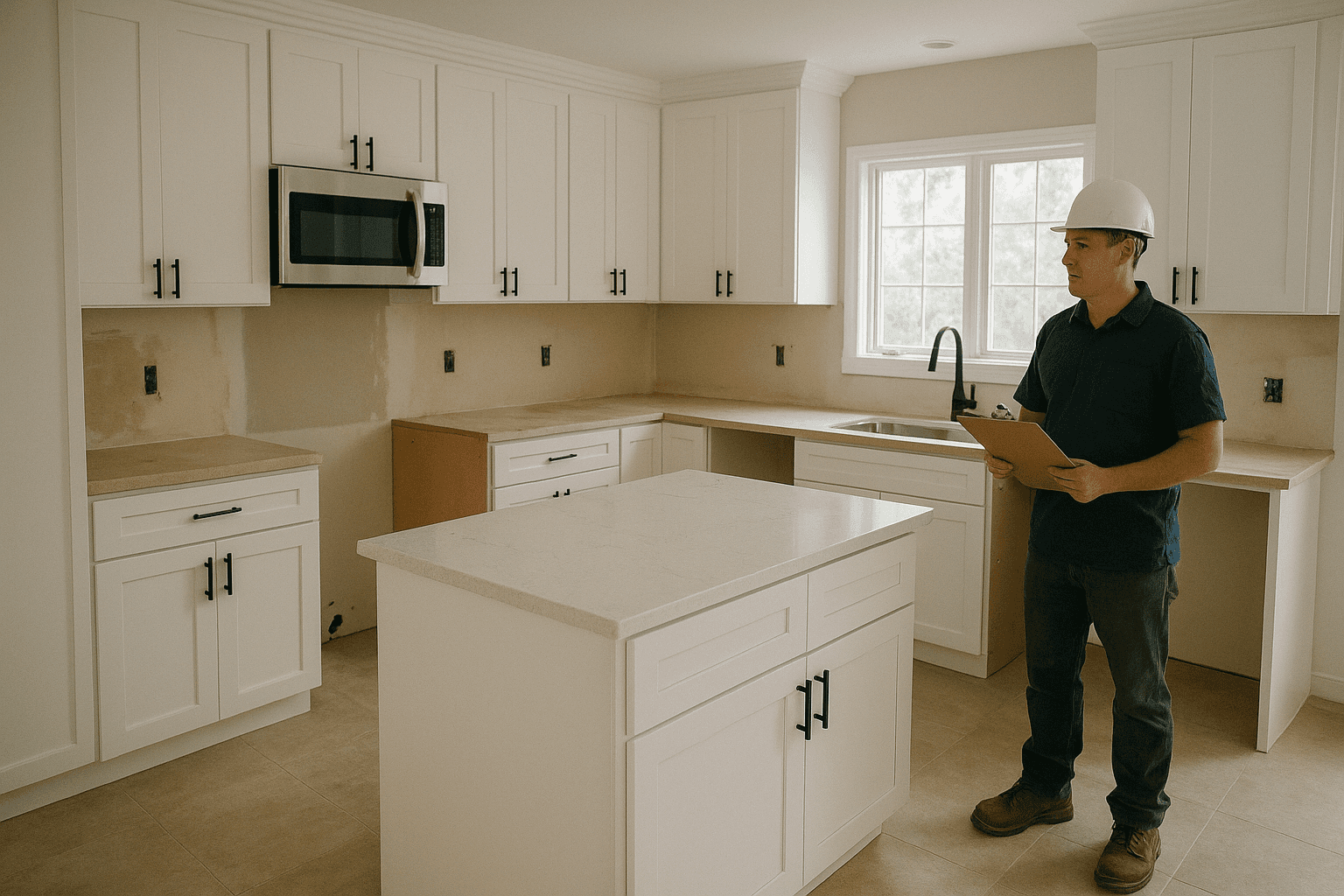
Common pitfalls and expert tips for bathroom renovation cost estimate
Renovations are a minefield of small errors that stack into big bills. Here’s what homeowners trip up on — and how to avoid it.
Top mistakes homeowners make
Moving plumbing without understanding soil & waste costs.
Moving drains can blow a quote out. Re-route plumbing and you’ll likely face trenching, new fall, and possible council inspections.
Underestimating waterproofing requirements.
Cheap membranes or incorrect application lead to leaks and expensive remediation. Waterproofing failures are a top cause of insurance claims.
Picking expensive tiles without pricing installation first.
Large-format tiles can be beautiful but add labour time and specialised installers.
Not checking for asbestos in older houses.
DIY demolition of asbestos materials is illegal & dangerous; removal by licensed contractors is expensive but required.
Hiring unlicensed trades to save a few bucks.
This risks non-compliance, failed inspections and poor workmanship that costs more to fix.
No contingency for hidden issues.
Expect rot, corrosion or termite damage once you open walls — always budget 10–20% contingency.
How to save money without cutting corners
Keep the existing layout: the single biggest saver is not moving plumbing drains.
Refurbish rather than replace where possible: reglaze baths, reface vanities, or retile instead of gutting.
Buy fixtures at trade sales or online outlets: but check warranty & returns.
Plan tile sizes to industry standards: avoid custom cuts which increase labour cost.
Stagger works: do demolition & trades in logical sequence to avoid paying idle time for trades waiting on previous works.
Use a licensed builder for contract management only: you can hire individual trades under a head contractor to save on mark-ups, but ensure builder oversight.
Things to look out for during the build
Waterproofing sign-off: get a moisture / waterproofing certification on completion (many builders include this). Check it matches AS 3740.
Fall to shower drains: ensure tiler checks falls before grout — incorrect slope causes pooling and drainage problems.
Ventilation: install an extractor fan rated to the room (and ideally wired to run after showering) or you’ll get mould and paint failure.
Access for future servicing: avoid boxed-in plumbing that’s expensive to access later. Install access panels for in-wall valves.
Quality of seals & penetrations: poor silicone and fixtures left unsealed are the most common cause of leaks.
Contracts, warranties and insurance
Get it in writing: scope, timeline, price, inclusions and exclusions.
Practical completion checklist: agree on defects list and timeframe for rectification.
Warranties: check manufacturer warranties for tapware, screens and tiles; builder should provide workmanship warranty.
Insurance: for larger jobs, ensure builder has home warranty insurance where required in your state (e.g., NSW, QLD). Verify via state licensing authority.
Social proof and homeowner experience
People on Aussie forums (Reddit, Whirlpool and local Facebook groups) frequently report that the biggest regret is not allowing for hidden costs and not locking in a fixed price for extra trades. Homeowners in regional areas often note trade availability and travel surcharges are the cause when budgets blow out. Take those comments as anecdotal but consistent: plan for travel/time impacts in country locations.
Final checklist before you sign
Scope sheet completed with product codes.
Fixed price or capped allowance written in the contract.
Licences and insurances sighted.
Practical completion & defects process defined.
Contingency fund set (10–20%).
Checks for asbestos / termite & structural problems done.
Renovating a bathroom in Australia doesn’t have to be a nightmare. The smartest homeowners do two things: they get a clear, itemised scope with several comparable quotes; and they factor in compliance and a sensible contingency. Stick to the advice above, keep the layout if you can, and invest in proper waterproofing and licensed trades — cheap shortcuts today cost you a fortune tomorrow.
AI-Powered Renovation Expert
The Smarter Way to Plan, Design and See your next renovation
Automate repetitive work and free your team to focus on execution. Saaset keeps every project moving forward automatically.