Written by the Instant Reno Team
Gold Coast Contractor for Kitchen Remodel — The Complete Local Guide
Nothing grinds the gears faster than an over-budget kitchen and a contractor who didn’t account for the local quirks. If you’re contracting a contractor for kitchen remodel on the Gold Coast, accurate planning and realistic cost estimation are critical. A proper estimate stops you getting nicked by invisible surprises — from salt‑air corrosion to concealed asbestos in older beachside cottages. This guide gets straight to the point: how to get a reliable quote, how the photo-based estimate process works, and what to watch for so your kitchen reno actually finishes on time and on budget.
Why nailing the estimate matters
Quick facts:
Underestimate risk: Concealed damage, council conditions and material lead times are the top causes of budget blowouts on the Gold Coast.
Local conditions matter: Salt-laden air, humidity and termite risk change material choices and protective treatments — which affects price.
Compliance and waste: Permits, compliance inspections and regulated asbestos disposal add fixed costs you must include early.
Hiring the right contractor for kitchen remodel means getting a transparent, line‑item estimate and a realist program that reflects local conditions. Below I’ll show you practical steps and exactly how a modern photo-analysis estimate is built so you can check every line before you sign.
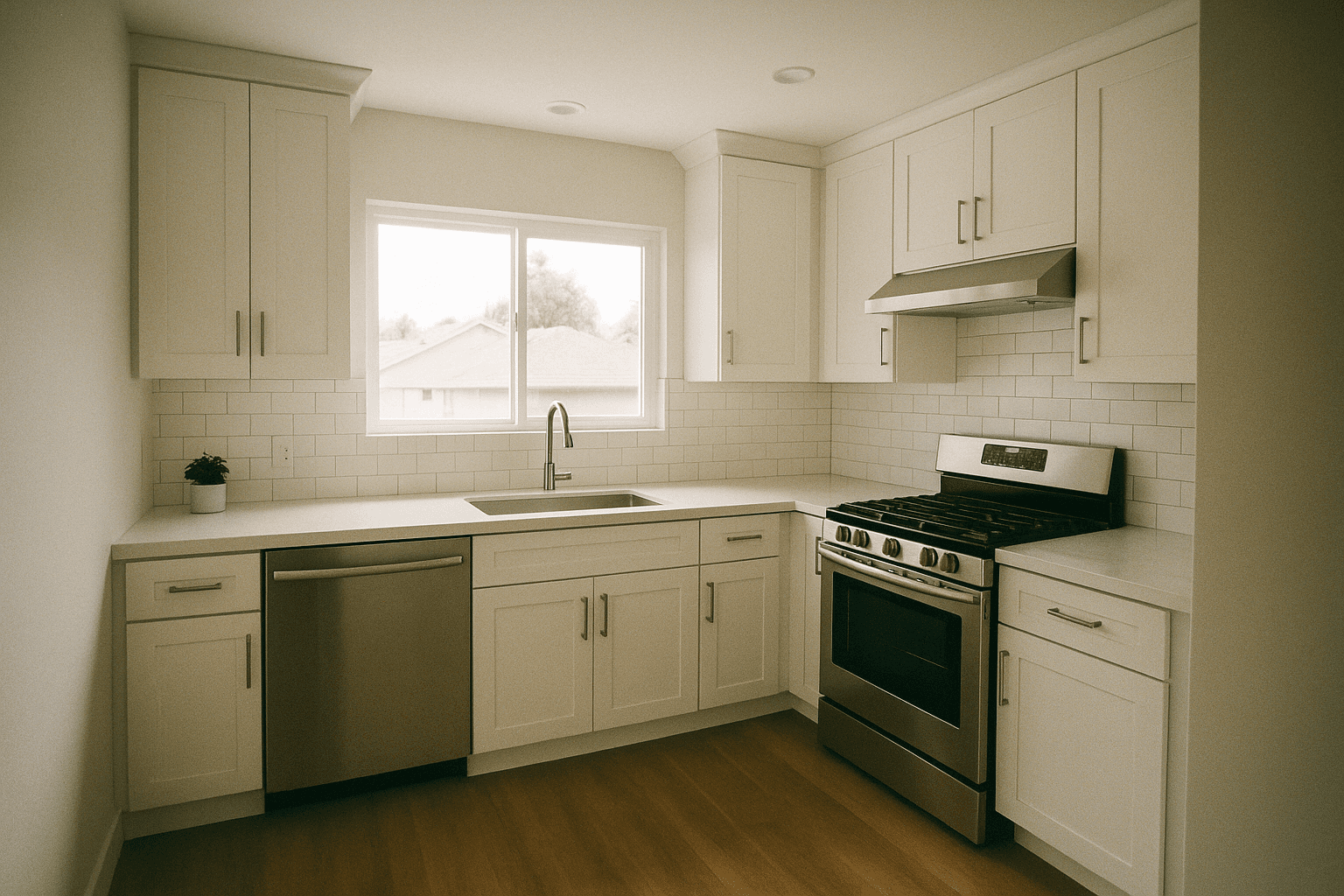
Practical step-by-step: How to plan, get and validate a kitchen remodel estimate
Here’s a deep dive into the actionable steps every Gold Coast homeowner should follow when engaging a contractor for kitchen remodel.
1. Prepare the brief — be specific
Scope the work: Structural changes (removing walls, moving beams), joinery (custom vs modular), bench top materials, appliances, lighting, flooring, splashback, plumbing and electrical relocations.
Photos and measurements: Provide recent, well-lit photos from multiple angles and an approximate floor plan with key measurements (bench heights, ceiling heights, window/door positions).
Style and finish: Attach example images of cabinetry, handles, splashback and benchtop finishes.
2. Get the right people on the job
Engage a licensed contractor for kitchen remodel who is QBCC-registered (Queensland Building and Construction Commission): https://www.qbcc.qld.gov.au
For units check strata rules early — some complexes restrict noisy works and delivery hours.
Ask for evidence of insurance: public liability and home warranty (for eligible projects).
3. Use a photo-based estimate to speed early pricing — what it should include
Many builders now provide a fast photo-based estimate to help decide whether to proceed. A high-quality estimate should be a staged deliverable: a quick cost range, then a detailed line-item estimate after an in-person measure. Here’s exactly how the photo-to-quote process works so you can interrogate it.
How the image-analysis estimate is produced (step-by-step)
Image intake: You submit clear photos — wide shots of the room from multiple angles, close-ups of existing joinery, plumbing points, electrical switchboards and any damaged areas.
Preprocessing and calibration: The estimator’s image system checks image quality, corrects perspective and uses known-size reference points (standard door widths, switch plate sizes) to calibrate scale. If you include a tape measure or photograph a standard A4 sheet placed on the bench, the system gets more accurate measurements.
Feature detection: The system identifies fixed items: walls, windows, doors, benchtops, sinks, cooktops, appliances and service points. It tags materials where visible — timber grain, laminate, stone, ceramic tiles, etc.
Condition analysis: It flags visible issues: water staining, mould, rust on flashings, termite evidence and roughly estimates the extent of concealed work likely needed behind joinery or under floors.
Measure extraction: Using calibrated scale and feature positions the engine derives approximate linear measurements for benchtops, island size, cabinet runs and clearances.
Preliminary scope generation: From the brief and detected features the system maps a practical scope: demo of old cabinetry, new cabinetry runs, appliance recesses, plumbing/electrical relocations and flooring replacement area.
Regional pricing multiplier: A Gold Coast location multiplier is applied to base rates to reflect labour market, supplier costs and typical site conditions (salt-air treatment, longer delivery for custom stone slabs to local fabricators).
Line-item cost build: Labour hours (demo, install, trades coordination), materials (cabinetry, benchtop, finishes), appliances, disposal and permit costs are calculated. The estimator includes standard contingency (usually 10–15%) and separates fixed costs such as council fees.
Human review: A qualified estimator or builder reviews the auto-generated estimate, adjusts for subtleties (concealed structural supports, need for humidity-rated materials) and adds disclaimers and next steps.
Report and next steps: You receive a two-stage document: a quick cost range (ballpark) and a recommended in-person site measure for a firm quote and final specifications.
Why this matters: Knowing the method lets you interrogate each line — ask how measurements were derived, whether the salt‑air multiplier was used, and whether asbestos testing is accounted for in older buildings.
4. What to expect in the quote — must-have line items
Demo and disposal: Labour, skip fees, regulated asbestos removal if flagged (see asbestos rules below).
Carpentry and joinery: Modular kitchens vs custom cabinetry — both need installation time, and allowances for hardware, soft-close drawers, kickboards and panels.
Benchtops: Supply and install (stone, laminate, engineered stone, porcelain). Include templating and installation visits.
Appliances and fixtures: Supply or supply-and-install options, plus appliance recessing and ventilation costs (rangehood ducting to external wall on some Gold Coast homes can be tricky).
Plumbing and electrical: Relocation, new fixtures, gas works (licensed gas fitter required), new circuits for ovens perhaps requiring electrician and possibly service upgrade.
Flooring and wall finishes: Replacement floor area, wet-area finishes and splashbacks.
Permits and inspections: Building permits if structural work, certification and final inspection fees.
Contingency and provisional sums: Concealed conditions allowance and provisional sums for items not finalised at quoting time.
5. Site measure and final quote
A site measure should be conducted before you sign a fixed-price contract. The measure verifies plumbing locations, structural conditions (load-bearing walls) and services access. That inspection will confirm whether council approval is needed and picks up issues the photo analysis might miss.
6. Contracts, variations and staging works
Sign a clear contract with the scope, payment schedule, completion date, defects remedy period and variation process.
Keep a 5–10% retention clause until practical completion to manage defects.
Agree staging if the kitchen is the family hub — temporary kitchenette or phased works to maintain function.
Local council rules and compliance on the Gold Coast
Building and planning info: Gold Coast City Council building and planning pages: https://www.goldcoast.qld.gov.au/planning-and-building/building
Licensing and competency: Check QBCC licence status here: https://www.qbcc.qld.gov.au
Waste and recycling rules: Council rules for bulky waste and regulated materials disposal: https://www.goldcoast.qld.gov.au/rubbish-recycling/rubbish-and-recycling
Asbestos: Queensland asbestos guidance and safe removal: https://www.qld.gov.au/environment/pollution/management/industrial-waste/asbestos
Always check council planning for heritage overlays in your suburb — properties near older surfside villages may have character protections that limit external works. You can search the local planning scheme and maps via the council site above.
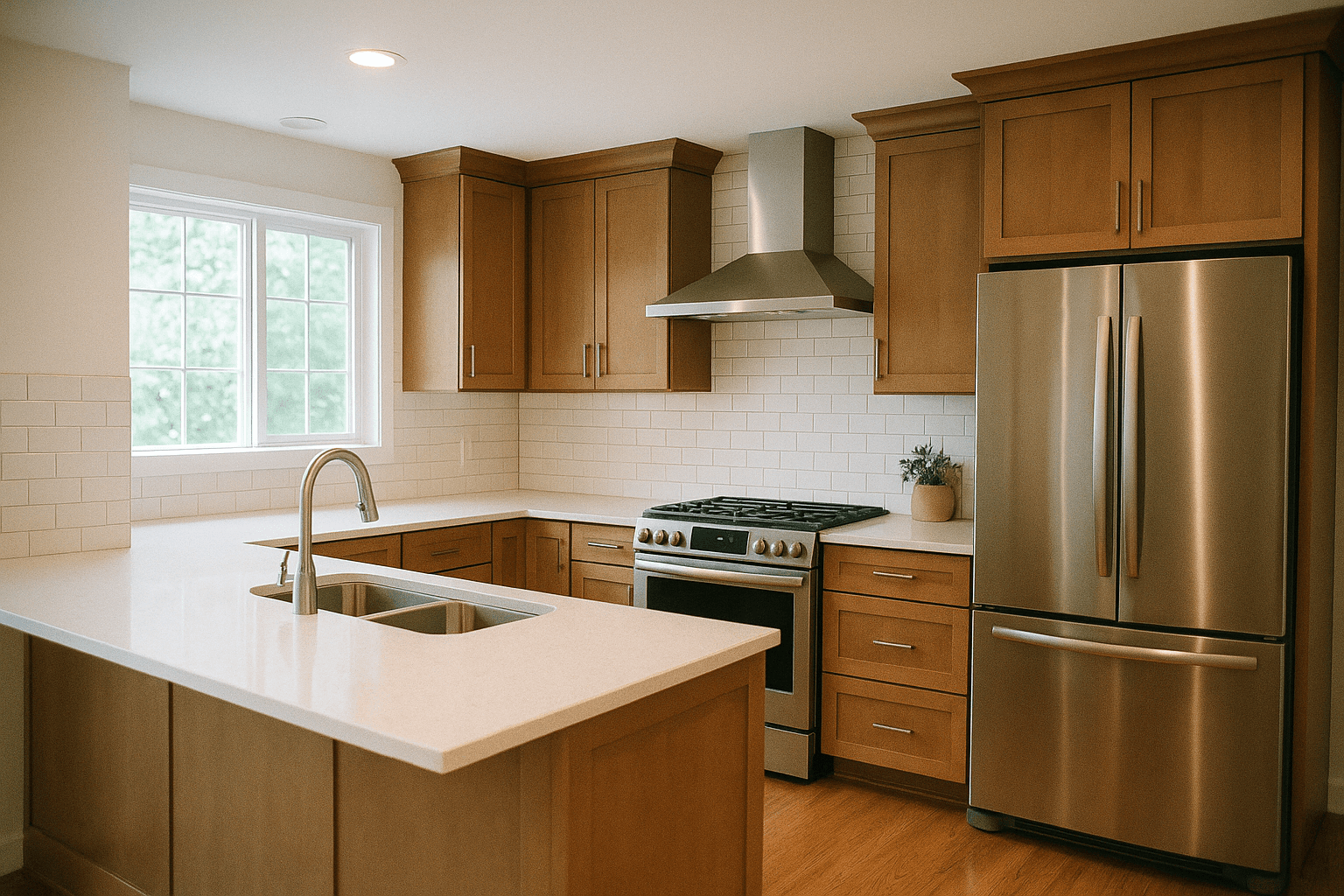
Common mistakes, expert tips and how to save without cutting corners
Renovations are full of traps. Here’s a blunt list of the mistakes I see repeatedly on the Gold Coast and how to avoid them.
Common mistakes homeowners make
Signing on a ballpark quote: A cheap ballpark can look tempting but rarely includes critical items like scaffold, specialised fixings for coastal exposure or asbestos removal.
Skipping site measure: Relying only on photos risks missing a load-bearing beam, plumbing under slab or hidden termite damage.
Ignoring local environmental factors: Using interior-grade joinery or untreated metal fittings near the beach causes early corrosion and callbacks.
Not budgeting for days off-limits: Some strata blocks on the Gold Coast restrict noisy work on weekends or public holidays — factor this into your program.
How to save money without cutting corners
Be decisive on finishes: Design and fixture decisions made early reduce variations. Choose cabinetry and appliance packages together for trade discounts.
Use a staged approach: Keep major structural or service relocations for future stages if your budget is tight, and do cosmetic upgrades now.
Standardise sizes: Standard cabinet widths and bench depths avoid costly custom work.
Shop fixtures yourself carefully: If you buy appliances or tapware yourself, ensure they match contractor warranties and installation requirements.
Obtain competitive quotes for finishes: Get at least three quotes for custom joinery and stone templating.
Red flags when dealing with a contractor
Unwillingness to provide a QBCC licence number or to sign a proper contract.
Vague payment schedule — avoid large upfront payments beyond deposit for materials.
Verbal-only commitments about timelines or variations.
Gold Coast-specific tips
Salt and humidity: Ask for marine-grade hardware, anti-corrosion fixings and moisture-resistant cabinet carcasses in coastal suburbs (Burleigh Heads, Main Beach, Mermaid Beach).
Termite protection: For older properties consider anti-termite treatments and moisture barriers. The Gold Coast has pockets of termite activity; an inspection is cheap insurance.
Asbestos checks for older houses: If your home was built pre-1990, get an asbestos survey if demo is planned. Disposal must follow Queensland rules (see source above).
Traffic and access: Narrow streets in older coastal suburbs may require special delivery planning and permits for crane lifts for benchtops.
Real-world social proof from local forums
People in the area have shared experiences on local forums and social platforms. Common threads include: “An apparently small kitchen job ballooned because of hidden water damage and council required works” and “choose a contractor who understands coastal materials — we had to replace bench fittings twice with a cheaper installer.” These posts underline why a detailed, local-aware estimate and a competent contractor matter.
Checklist to use when comparing quotes
Is the contractor QBCC licensed and insured? (Confirm the licence number.)
Does the estimate include itemised labour, materials, appliances, permits, waste removal and a contingency?
Are local conditions (salt-air, termite risk, access issues) priced separately or included?
Is there a clear variation process and defect rectification period?
Has a site measure been carried out, or is the quote subject to it?
Final advice — get control of the process
Use the photo-based estimate as an initial screening tool — it’s fast and useful, but never a substitute for a measured inspection. Press for a clear, line-item final quote after a site measure, confirm council permit needs early, and ensure the contractor prices coastal-grade materials where relevant. Do these things and you’ll avoid the common cost traps and end up with a kitchen that suits your life — not the contractor’s short-term convenience.
If you want a pre-quote check of your photos and an independent view of any estimate you get, send through the pictures, floor plan and the quote you received — I’ll point out likely omissions and local cost drivers to watch for.
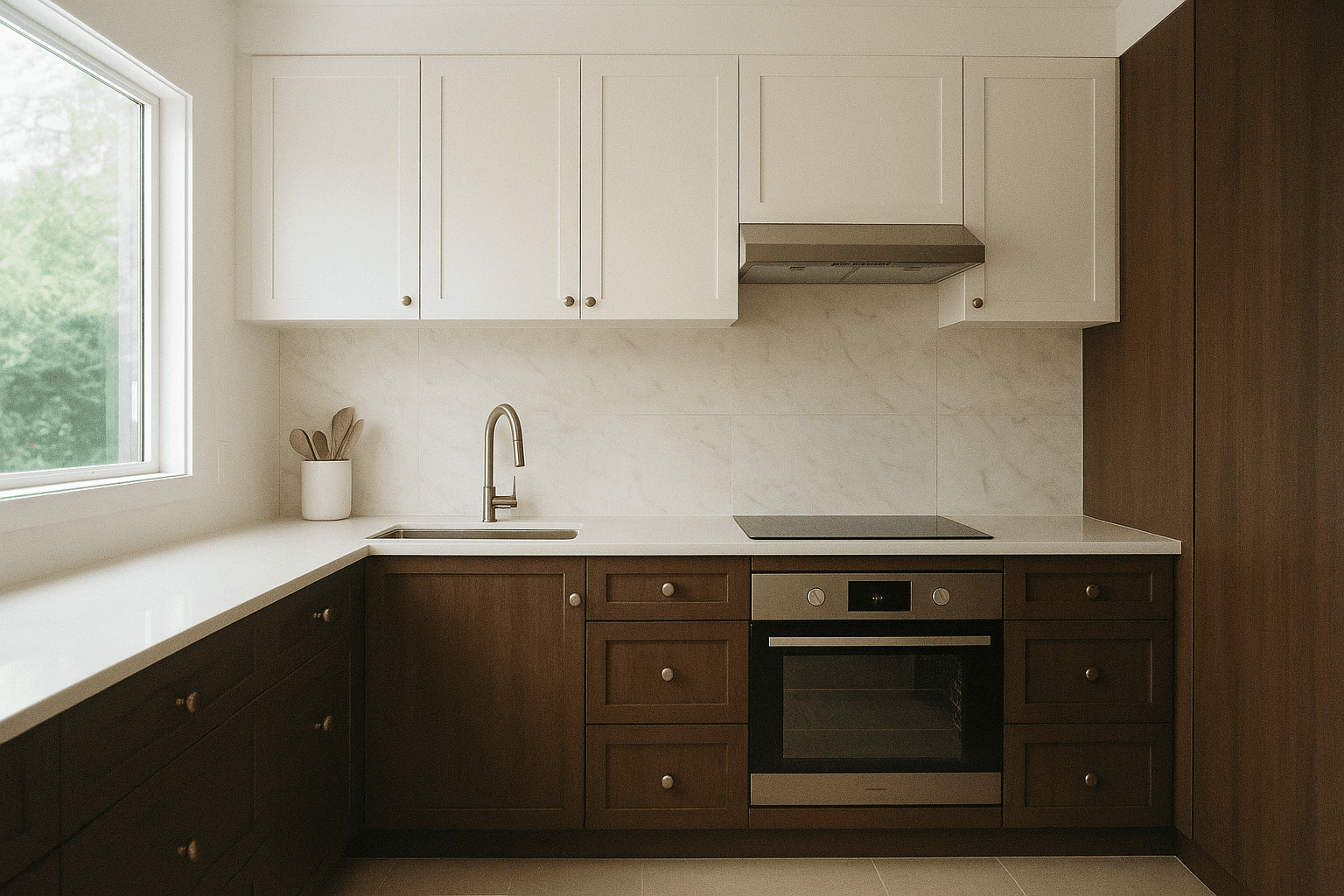
AI-Powered Renovation Expert