Written by the Instant Reno Team
The Complete Guide to Hiring a Bath Remodeling Contractor in Australia
Renovating a bathroom can be bloody stressful — leaks, hidden rot, council permits, and quotes that balloon faster than a tradie's ute. If you’re starting a bathroom reno, the first call you'll make is probably to a bath remodeling contractor. Get the planning and cost estimation wrong and you’ll be left with delays, extra bills and the kind of regret that doesn’t wash off.
Why accurate planning and cost estimation matter
Budget control: A clear scope keeps surprises down and stops that quote creeping up like mould in a poorly ventilated bathroom.
Time management: Knowing timelines means you can plan around living without a functioning bathroom (or arrange temporary facilities).
Compliance and safety: Wet-area waterproofing, gas, electrical and structural work all need correct trade licences and paperwork — missing these can cost far more than the reno itself.
If you’re looking for a reliable bath remodeling contractor, this guide walks you through the practical steps, real-world price ranges, council and safety checks, and pro tips to avoid the common pitfalls. Read on and you’ll know how to brief trades, compare quotes, and spot red flags like a seasoned construction manager.
Quick snapshot (what you’ll get from this guide)
Step-by-step planning and scope writing for bathroom renos
A dedicated cost breakdown section with realistic price ranges
Local Aussie regulations and key links for permits and licences
Common mistakes homeowners make — and how to avoid them
Practical tips to save money without cutting corners
Let’s get stuck in.
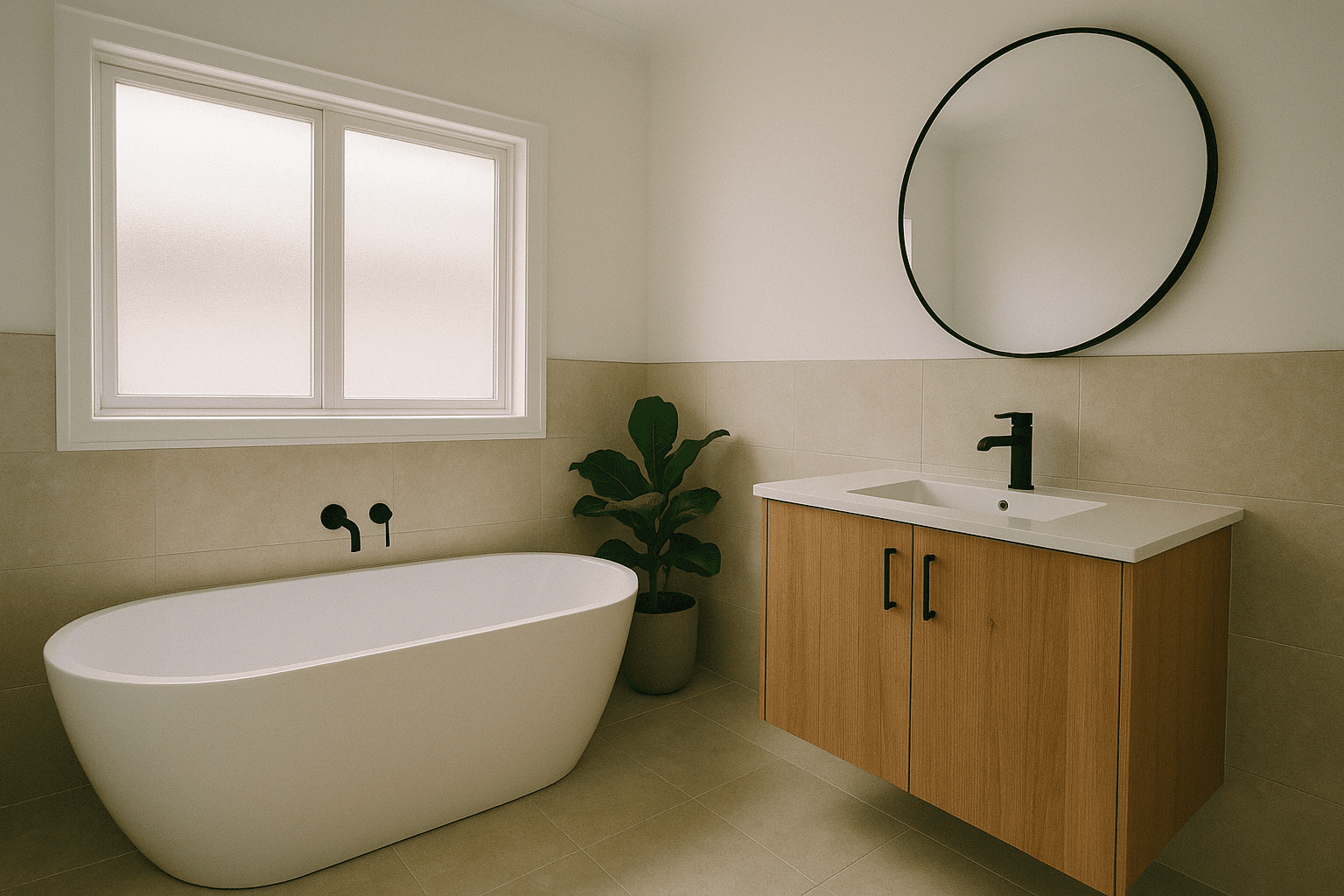
How to Scope, Plan and Manage a Bathroom Renovation
Start with a solid brief. That’s the single best thing you can do before contacting a bath remodeling contractor.
Step 1 — Define your outcome (don’t be vague)
Function: Is it a full family bathroom, ensuite, or powder room? Who uses it and how often?
Style & finish level: Budget, mid-range or high-end designer fit-out? Choose a priority: tiles, fixtures, or layout change.
Structural changes: Will you be moving walls, changing doorways, or relocating plumbing? If yes, plan for engineering input.
Accessibility: Do you want future-proofing like grab rails, no-step showers or higher toilets?
Write a one-page brief covering these points. It becomes the yardstick you use to compare quotes.
Step 2 — Survey and pre-renovation checks
Check for asbestos: If your home was built before the 1980s, there may be asbestos in walls or underlay. Use licensed removal if asbestos is suspected. See SafeWork Australia for guidance: https://www.safeworkaustralia.gov.au
Investigate hidden issues: Rot in timber floor joists, corroded drain pipes and mouldy noggings are common. A good contractor will do a pre-demo inspection and flag these.
Engage a designer if needed: For layout changes or high-end finishes, a designer or architect will save money in the long run by avoiding costly mistakes.
Step 3 — Obtain quotes from the right people
Who quotes? A reputable bath remodeling contractor should coordinate subtrades (plumbing, waterproofing, tiling, electrical, plastering). You can ask for a fully coordinated quote or separate trade quotes, but coordinated quotes reduce finger-pointing later.
What should be included: scope, allowances for key fixtures (e.g., vanity, bath, toilet), tile sizes and coverage, waterproofing spec, labour schedule, provisional sums for unknowns, warranty and defect liability period, and payment schedule.
Comparing quotes: Don’t just compare totals. Check inclusions, brands, and warranties. A cheaper quote that excludes waterproofing certification is a false economy.
Step 4 — Contracts, permits and paperwork
Domestic building contract: For jobs over certain thresholds (varies by state), you’ll need a written contract. NSW, VIC and QLD have specific requirements — check your state authority (links below).
Permits: Structural changes may need council DA or CDC approvals. Simple internal bathroom refits often don’t, but moving a window or changing drainage might.
Licences: Ensure trades are licensed. State regulators: NSW Fair Trading (https://www.fairtrading.nsw.gov.au), Victorian Building Authority (https://www.vba.vic.gov.au), QBCC in Queensland (https://www.qbcc.qld.gov.au).
Step 5 — Project timeline and staging
Typical staging: demolition (1–3 days) → remedial framing/plumbing and electrical (2–7 days) → waterproofing (2 days + curing) → tiling (3–7 days) → fixtures and final joinery (2–5 days) → snagging and clean-up (1–3 days).
Realistic timeline: For an average 3–4 m² ensuite expect 2–3 weeks. Full family bathrooms with layout changes typically take 4–6 weeks. Tight timelines often cost more.
Estimating the Costs for the chossen keywords
This section gives practical, realistic cost ranges for a bathroom renovation managed by a bath remodeling contractor. Costs vary by city (Sydney and inner-Melbourne are pricier), the age of the building (older homes often require more remedial work), and fixture quality.
State and city price modifiers
Sydney, Inner-Melbourne, Eastern Suburbs: Labour and tradie call-out premiums — add 10–25% to base labour rates.
Regional areas: Sometimes better value on labour but longer material lead times and travel fees.
Older homes (pre-1950s terraces and fibro homes): Expect asbestos removal, timber rot, and non-standard plumbing. Add a $1,500–$7,000 contingency depending on scope.
Ballpark cost brackets (AUD, inclusive of trades and GST where applicable)
Basic refresh (no layout change): $7,000–$15,000
New tapware, vanity, toilet, resurface or reglaze bath, re-tile small areas, fresh paint.
Standard renovation (layout retained, quality fixtures): $15,000–$35,000
Includes full demolition, new waterproofing, tiling, new fixtures, electrical and small joinery works.
Premium renovation (layout change, high-end finishes): $35,000–$75,000+
Structural changes, high-end tiles, custom joinery, heated floors, niche lighting, top brand fixtures.
Typical material & labour breakdown (mid-range bathroom, approx $25,000)
Demolition & disposal: $700–$2,000
Plumbing rough-in & new fixtures: $3,000–$6,000 (includes new shower mixer, quality toilet, vanity outlet, new waste)
Waterproofing (internal wet areas): $1,200–$3,000
Must follow Australian Standards and often requires a certificate. Don’t skimp.
Tiling: $3,000–$6,000
Includes wall and floor tiles, adhesives, grout and labour. Porcelain tiles cost more than ceramic.
Electrical & lighting: $800–$2,200
Joinery & bench tops: $1,500–$5,000
Bath & shower screens: $800–$3,000
Fixtures & fittings (tapware, showerheads, basin, toilet): $1,200–$5,000
Plastering, paint & finishing: $800–$2,000
Contingency (recommended): 10–20% of the contract sum for unforeseen issues
Labour rates and time estimates
Carpenter / joiner: $45–$90/hr (varies by state and experience)
Plumber: $70–$120/hr (plus weekend/after-hours premium)
Tiler: $50–$95/hr depending on complexity
Electrician: $70–$110/hr
Waterproofer: Often charged per m² or a fixed job rate — ensure certification
Examples (realistic scenarios)
Small ensuite refresh (1.5–2.5 m²) — minimal layout work: $8,500–$15,000
Family bathroom full reno with layout unchanged (4–6 m²): $18,000–$32,000
Bathroom with layout change and structural work (moving under-bench laundry wall, new drainage): $32,000–$60,000
Essential inclusions to insist on in quotes
Waterproofing certificate and product spec
Brands and model numbers for major fixtures (so you know what you’re comparing)
Provisional sums for tiles and fixtures (with clear allowance amounts)
Timeline and payment schedule — avoid large upfront deposits (common is 10–20% on contract signing)
Defect liability period and warranty details; find out who is responsible for follow-ups
Useful links for regulation & consumer protection
NSW Fair Trading — Licencing and contracts: https://www.fairtrading.nsw.gov.au
Victorian Building Authority — Registration and domestic building: https://www.vba.vic.gov.au
QBCC (Queensland Building & Construction Commission): https://www.qbcc.qld.gov.au
SafeWork Australia — asbestos and site safety: https://www.safeworkaustralia.gov.au
Australian Building Codes Board: https://www.abcb.gov.au
Local considerations: a few examples around Australia
Sydney east/inner west: Many older terrace houses — watch for heritage overlays (City of Sydney heritage info: https://www.cityofsydney.nsw.gov.au/heritage). Heritage-listed properties often require council approval for front-facing changes.
Melbourne inner north (Fitzroy, Carlton): Terrace renovations may require attention to party wall matters and asbestos in older fibro homes. Check with the local council and the Victorian Building Authority.
Brisbane bayside / coastal suburbs: Salt spray can corrode fixtures — choose marine-grade fittings or sacrificial finishes. Also check council stormwater connection rules for drainage changes.
How to get accurate, apples-for-apples quotes
Provide the same brief to each contractor and ask them to base quotes on specified fixtures and tile sizes.
Ask for itemised quotes. Lump sums are okay but itemisation shows where savings are being made.
Get at least three quotes: one budget, one mid-range, and one premium. The middle quote is often the most realistic.
Ask for references and photos of finished jobs similar to yours.
If a contractor is vague about waterproofing or references brands like “standard tile” without model numbers, ask for clarity.
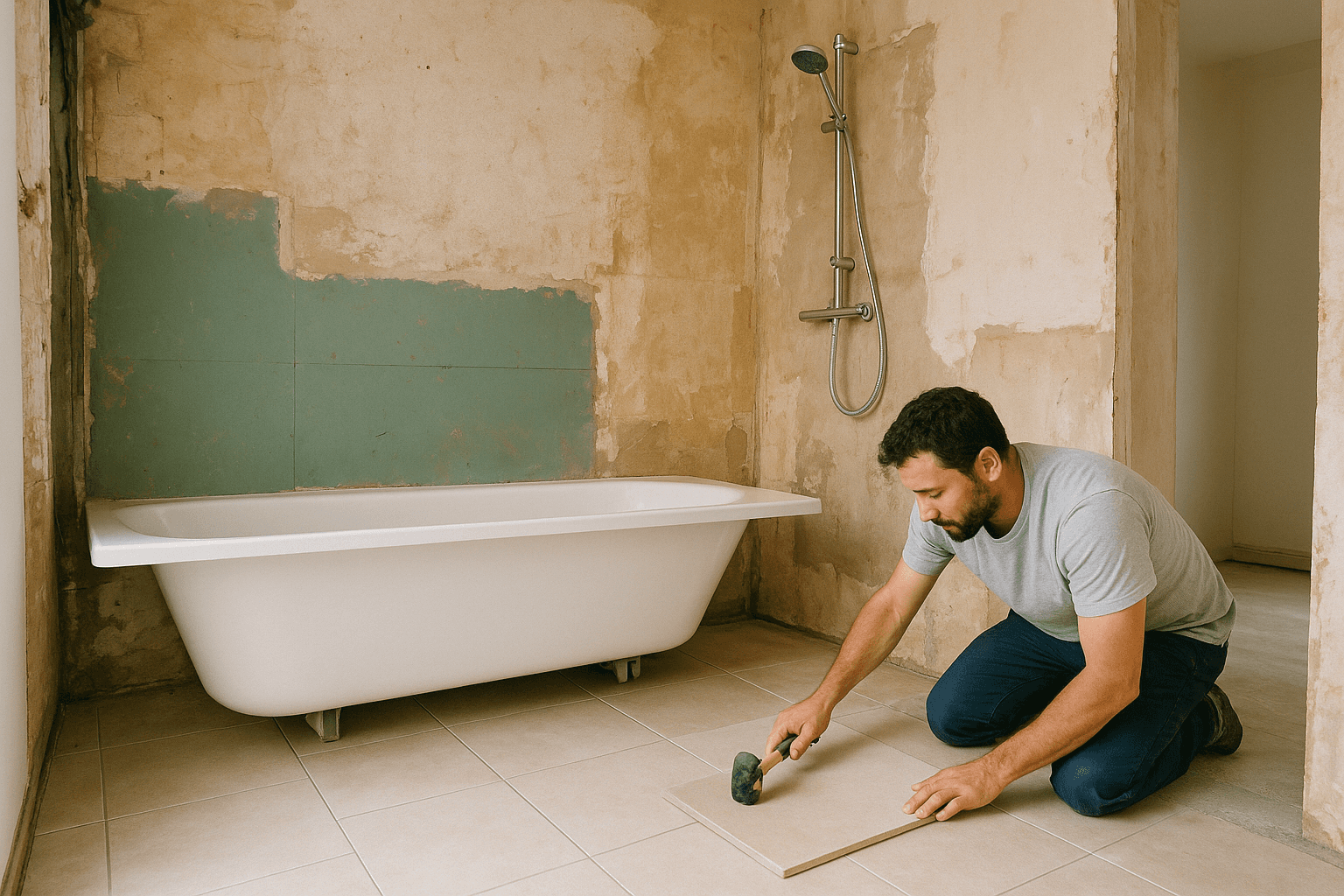
Common Mistakes Homeowners Make (and How to Avoid Them)
Mistake 1 — Choosing the cheapest quote without checking inclusions
Why it hurts: Cheapest quotes often exclude waterproofing certification, use cheap adhesives, or omit disposal and protection costs.
Fix: Check for waterproofing, warranty, and brand/model inclusions. Ask what’s a provisional sum vs fixed price.
Mistake 2 — Not budgeting for contingencies
Why it hurts: Older houses often hide issues like rotten joists, corroded drains or asbestos. These blow budgets fast.
Fix: Always include a 10–20% contingency and get a pre-demo inspection for older properties.
Mistake 3 — Skimping on waterproofing and quality tiling
Why it hurts: Failures here lead to leaks, mould, council orders and massive remedial costs.
Fix: Insist on the right waterproofing system to AS standards and get the certificate on completion.
Mistake 4 — Poor payment schedule and big upfront deposits
Why it hurts: Paying too much up-front reduces client leverage for scope control and timely completion.
Fix: Typical schedule: 10–20% deposit, staged payments tied to milestones (after demolition, after waterproofing, after tiling, final on practical completion).
Mistake 5 — Engaging unlicensed trades
Why it hurts: You may be left without recourse if something goes wrong; insurance claims can be refused.
Fix: Check licences with state regulators (links above) and view original licences, not photocopies.
Money-saving tips that actually work (not hacks)
Reuse the footprint: Moving plumbing runs and wet areas is expensive. Keep existing locations where possible.
Choose tile sizes wisely: Large format tiles look flash but require level substrates — expect higher labour costs. Mid-sized tiles are often more economical.
Buy fixtures yourself (carefully): Buying your own basin or tapware can save money but make sure the contractor is willing to fit owner-supplied goods and that they meet Australian standards.
Phase the job: If budget’s tight, do a staged approach: start with waterproofing and tiling, then upgrade vanities later. Be aware extra costs for repeated access.
Pick durable finishes: Matte tiles and quality grout reduce maintenance and regrouting costs down the track.
What to look for when choosing a bath remodeling contractor
Portfolio of similar jobs: Specifically ask for photos and references for bathrooms of similar size and finish.
Clear written contract: Itemised inclusions, payment schedule, timeline, warranties and who obtains permits.
Communication: Good contractors set expectations, confirm allowances and update you daily during critical stages.
Trades coordination: The contractor should coordinate plumbers, tilers and waterproofers and take responsibility for defects.
Insurances: Public liability and, for larger jobs, home warranty insurance where required by state law.
Final checklist before signing
Confirm scope and materials in writing (tile type and size, grout colour, tapware brand/model).
Ensure waterproofing method and certification is specified.
Agree on a realistic timeline and a payment schedule tied to milestones.
Ask for a written defects liability period and the warranty terms.
Keep contact details for all subtrades used on site.
A note on what people in your area say
Homeowners on local forums and community groups often comment that trades in inner-city suburbs quote higher due to travel and overheads, and that older houses frequently need asbestos checks and joist repairs. People in Melbourne and Sydney have repeatedly mentioned surprise costs from hidden water damage after demo — worth taking that to heart and budgeting accordingly.
If you want, I can:
Help write a one-page brief you can use to request quotes from three contractors
Review and compare up to three quotes you receive and highlight inclusions, exclusions and red flags
Give me the suburb and a rough idea of your bathroom size/desired finishes and I’ll tailor the budget and council checks to your location. No BS, just practical guidance so you don’t get mugged by unexpected costs.
AI-Powered Renovation Expert