Written by the Instant Reno Team
Paddington renovators know the drill: a tight terrace, creaky floorboards, old plaster and the constant fear of blow-out costs. If you're searching for a contractor for kitchen remodel in Paddington, Sydney, you want someone who understands heritage overlays, stair‑steep houses, and the hassle of council approvals — not just a tradie who can lay tiles. Accurate planning and cost estimation are critical. Get them wrong and you’ll be hit with surprise invoices, delayed handovers, or worse — work that triggers a formal council order.
This guide walks you through everything a homeowner needs to know before engaging a contractor for kitchen remodel: realistic kitchen renovation costs, how to pick a kitchen designer and cabinetmaker, what permits and inspections you’ll need, and how to manage trades (plumber, electrician, tiler, joiner) so your renovation runs smoothly. Keywords you’ll see through this piece: kitchen renovation, kitchen remodelling, renovation budget, kitchen renovation costs, building permit, council approval, tradespeople, cabinetmaker, benchtops, splashback, appliances, plumber, electrician.
Quick snapshot: in Paddington you’re dealing with older Victorian or Federation terraces on hilly blocks — expect structural surprises, possible asbestos, and heritage constraints. Factor those into your renovation budget from day one.
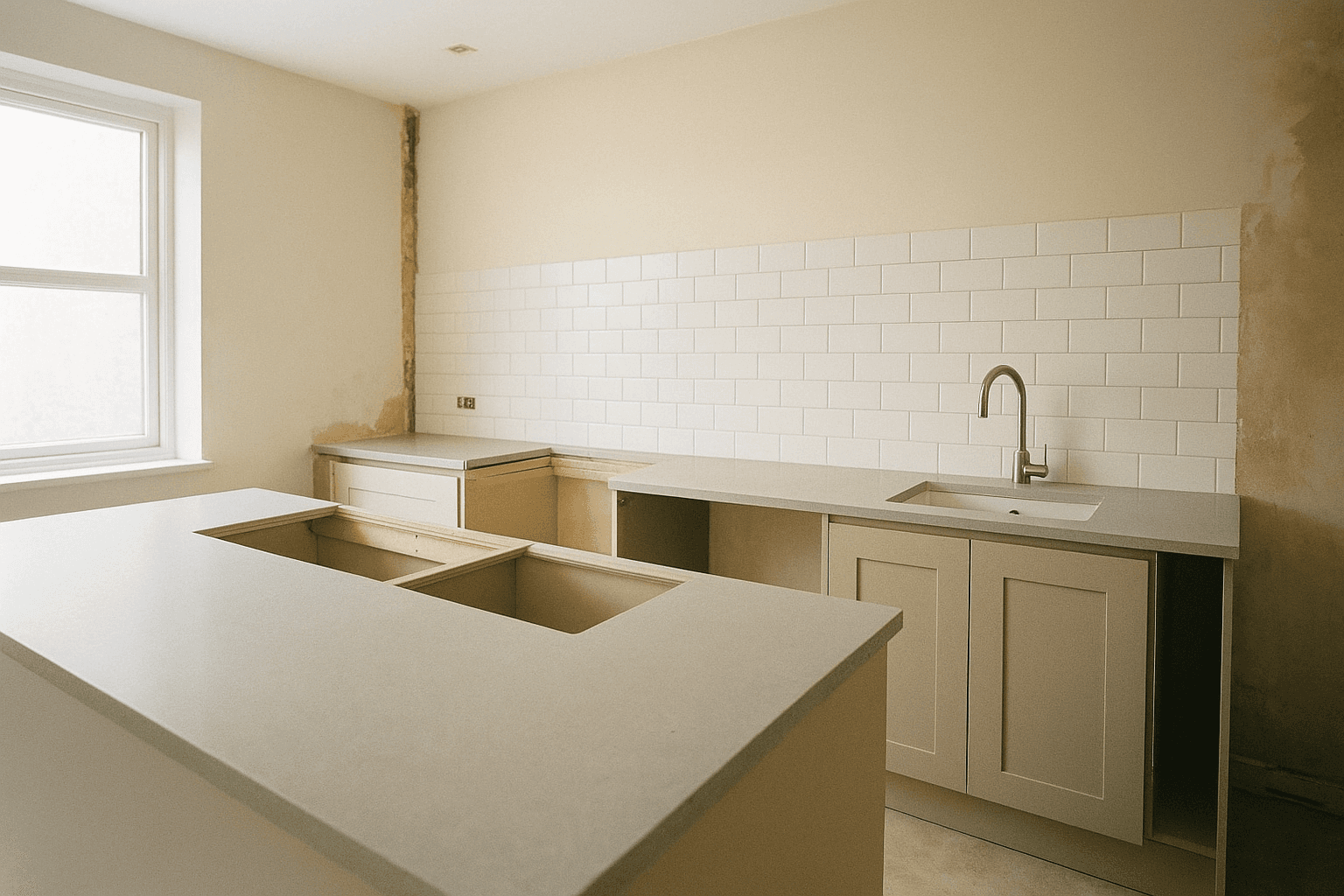
Step-by-step plan to hire the right contractor and run a kitchen renovation
Below is a practical, actionable roadmap from first quote to handover. Work through each step — skip none.
H3: 1. Define scope and set a realistic renovation budget
Decide scope: cosmetic refresh (cabinet doors, benchtop, splashback, appliances), layout change (move sink, extend bench), or full gut and rebuild (structural work, plumbing/electrical relocation). The more complex the scope, the higher the kitchen renovation costs and the more you’ll need a licensed builder and engineer.
Budget bands (rough Australian guide):
Cosmetic refresh: $8k–$25k — repaint, new handles, splashback, appliances swap
Mid-range remodelling: $25k–$60k — new cabinetry, benchtops, tiler, electrician/plumber work
High-end/full remake: $60k–$150k+ — structural changes, custom joinery, high-end appliances
Contingency: Always allocate 10–20% contingency for hidden issues (timber rot, asbestos, structural changes). Given older Paddington homes, err on the higher side.
Include soft costs: kitchen designer fees, council fees, engineering, rectification allowances, site waste removal and tip fees.
H3: 2. Get accurate quotes and compare properly
Request itemised quotes from at least three contractors. An itemised quote will list trades, materials, allowances for fixtures, labour hours and provisional sums (like allowance for new benchtops or tiling).
Look for these line items: demolition, asbestos assessment/removal (if required), structural engineer, plumbing rough-in, electrical rewire/work, cabinetry/manufacturing, benchtop fabrication (stone or laminate), tiling, painting, floor repair, appliance installation, final clean.
Beware of lump-sum quotes without detail — they make variations (extra costs) easier to add later.
Compare apples with apples: if one quote uses semi-custom cabinetry and another uses pre-fabricated flatpacks, costs are not directly comparable.
H3: 3. Check licences, insurance and references
Builder’s licence: For works over $5,000 (different thresholds apply by state), ensure the contractor holds a current NSW contractor licence or Builder Licence (check NSW Fair Trading).
Trades licences: Plumber and electrician must be licensed. Ask to see the licences and confirm current insurance.
Public liability and home warranty: Ask for certificates. For projects over certain values, domestic building insurance may be required — confirm with your contractor.
References and portfolio: Ask for recent Paddington or inner‑Sydney projects. Inspect completed kitchens if possible and speak to previous clients about handover and defects handling.
H3: 4. Design and documentation: shop drawings and specifications
Engage a kitchen designer or architect for substantial layout changes. They’ll produce drawings that a cabinetmaker and trades can price from.
Produce a specification document listing benchtop material (stone, engineered stone, laminate), sink and tap models, appliance brand/models, tile sizes, paint colours and cabinet finish.
Shop drawings: ensure your cabinetmaker provides detailed joinery drawings and benchtop templating plans before fabrication.
H3: 5. Permits, approvals and heritage considerations in Paddington
Heritage overlays: Paddington has many heritage-listed terraces. If your work changes an externally visible element or affects original plaster, joinery or fireplaces, you may need heritage approval. Check Woollahra Council and City of Sydney heritage pages:
Woollahra Council Heritage: https://www.woollahra.nsw.gov.au/services/planning_and_development/heritage
City of Sydney Heritage: https://www.cityofsydney.nsw.gov.au/heritage
Development application vs Complying Development: Minor internal works often do not need a DA, but structural changes and extensions may. Confirm with the NSW Planning Portal: https://www.planningportal.nsw.gov.au/
Asbestos and demolition: If your home was built before the 1980s, get an asbestos survey and licensed removal contractor. SafeWork NSW guidance: https://www.safework.nsw.gov.au/hazards-a-z/asbestos
Council waste disposal rules: Paddington councils have strict waste disposal and skip-bin placement rules; check local council pages for permit requirements.
H3: 6. Schedule and manage trades: sequencing the job
Typical job sequence:
Site setup and protection (dust containment, floor protection)
Demolition and asbestos removal (if found)
Structural or plumbing/electrical rough-in
First-fix carpentry (framework, stud walls)
Cabinet install (carcass and leveling)
Benchtop templating and fabrication
Tiling, splashback, bench sealing
Appliance install and plumber/electrician final connections
Painting and floor repairs
Final clean and client walkthrough
Project manager: For full remakes consider hiring a project manager or appoint the head contractor to act as PM to coordinate trades and timing.
H3: 7. Materials decisions that affect cost and durability
Cabinetry: Semi-custom MDF with polyurethane finish is cost-effective; solid timber joinery costs more and can be sensitive in older homes with humidity.
Benchtops: Laminate is cheapest; engineered stone (Caesarstone/stone) mid to high; natural stone (granite/marble) can be expensive and may need specialist installation.
Splashback/splashback options: tiles are traditional; glass or full-height stone look cleaner but cost more. Consider mould-resistant backing if the wall was damp.
Flooring: match existing floorboards where possible. Uneven Victorian floors may need levelling under cabinetry.
H3: 8. Contracts, variations and payment schedule
Use a written contract: state scope, fixed price or provisional items, payment milestones, practical completion date and defects liability period.
Payment schedule: typical staging — deposit (10–20%), progress payments (at set milestones), final retention (5–10%) held until defects rectified.
Variations: any scope change must be signed off with cost and time adjustment. Get variation quotes before work proceeds.
H3: 9. Inspections, certification and handover
Inspections: ensure required inspections (plumbing, electrical, structural) are booked. Request certificates of compliance from trades.
Practical completion: walk through with a checklist (doors align, appliances operate, waterproofing done, tile grout finished) and record defects.
Warranty and aftercare: get warranty in writing — typical trade warranties are 12 months. Keep all manuals and spare parts.
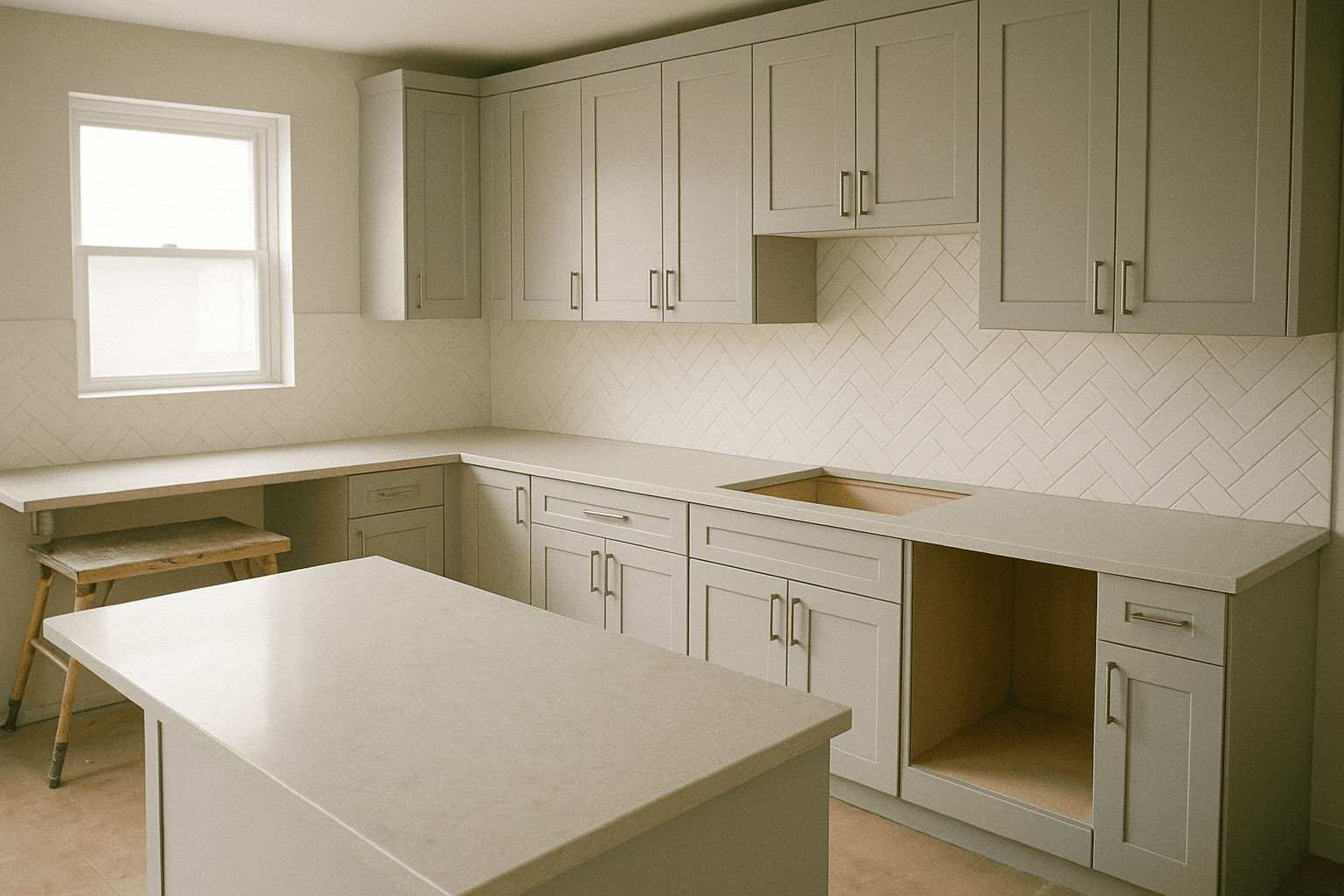
Common traps, cost-saving moves and pro tips from experienced renovators
H3: Mistakes homeowners commonly make when hiring a contractor for kitchen remodel
Picking the cheapest quote without checking licences or references — cheap often equals poor quality or hidden costs.
No written scope — verbal agreements lead to disputes about what’s included (e.g., who supplies handles, splashback grout colour).
Ignoring structural and asbestos checks — especially in Paddington terraces. Asbestos discovery can add thousands and delay your project.
Underestimating waterproofing around sinks and floors — poor waterproofing leads to rot and expensive rectification.
Late decisions on finishes and appliances — making selections mid-job causes delays and extra charges for rework.
H3: How to save money without cutting corners
Retain the layout where possible: moving plumbing or gas lines is expensive. Reuse pipe runs and vents where sensible.
Choose semi-custom joinery: you can get a premium look without fully bespoke costs.
Shop smart on appliances: choose reliable mid-range appliances rather than top-of-the-line gadgets — durable makes matter more than bells and whistles.
Limit structural changes: add clever storage solutions, a better layout, or smarter lighting rather than expanding footprint.
Phased upgrades: if budget is tight, do the core functional items first (bench, sink, stove) and defer high-end finishes.
H3: What to watch for in Paddington or similar Sydney terraces
Heritage rules: even internal alterations can trigger heritage conditions if original fabric is being removed. Confirm with Woollahra or City of Sydney Councils. See Woollahra heritage guidance: https://www.woollahra.nsw.gov.au/services/planning_and_development/heritage
Street access and parking: deliveries on narrow terrace streets can be slow and costly; allow for crane hire or manual lifts for appliances/benchtops.
Asbestos risk: very real in pre-1980s houses — quote includes asbestos testing and licensed removal. SafeWork NSW guidance: https://www.safework.nsw.gov.au/hazards-a-z/asbestos
Waste and skip permits: some councils restrict where you can place skip bins. Check council rules to avoid fines.
H3: Negotiating with your contractor — practical lines to use
“Please provide an itemised quote including provisional sums for benchtops and tiling.”
“Can you confirm licences, insurance and a recent reference in Paddington?”
“I want a staged payment schedule tied to milestones; hold 5% until defects are fixed.”
“Add asbestos testing as a contingency item — we’ll confirm removal only if tests are positive.”
H3: Red flags to walk away from
No ABN, licences or public liability insurance
Contractor demanding large upfront payment (over 30%)
Refusal to sign a written contract or provide itemised quotes
Poor communication or inability to provide references from similar terrace renovations
H3: Real-life social proof and lessons from local forums
On local Reddit and Whirlpool threads, Paddington renovators frequently report two recurring themes: contractors under-quoting site complications, and expensive last-minute variations for structural or asbestos works. People in the area often recommend getting an independent inspector or engaging a kitchen designer early to reduce surprise costs. These anecdotal reports are a useful red flag — treat them as reasons to tighten your contract and insist on documentation.
H3: Final checklist before you sign with a contractor
Licence and insurance verified
Itemised quote with provisional sums and contingencies
Written contract with timeline, payment schedule and defects period
Heritage and council permit checks completed or plans submitted
Asbestos survey booked or included as contingency
Trade schedule and trade names confirmed (cabinetmaker, plumber, electrician, tiler, painter)
Warranty and aftercare in writing
Closing — realistic expectations
Hiring the right contractor for kitchen remodel in Paddington is about preparation, documentation and realistic budgeting. Expect surprises with old terraces; plan for them. Spend on good joinery and waterproofing, control costs by retaining layout where sensible, and don’t be tempted to cut the contract or inspection corners. If you do this properly, you’ll end up with a kitchen that’s not only beautiful but built to last — and a renovation that doesn’t ruin your nerves or your bank balance.
If you want, I can draft a sample itemised quote template, a contract checklist specific to NSW regulations, or a shortlist of questions to ask a tradesperson on site. Tell me which you want next.
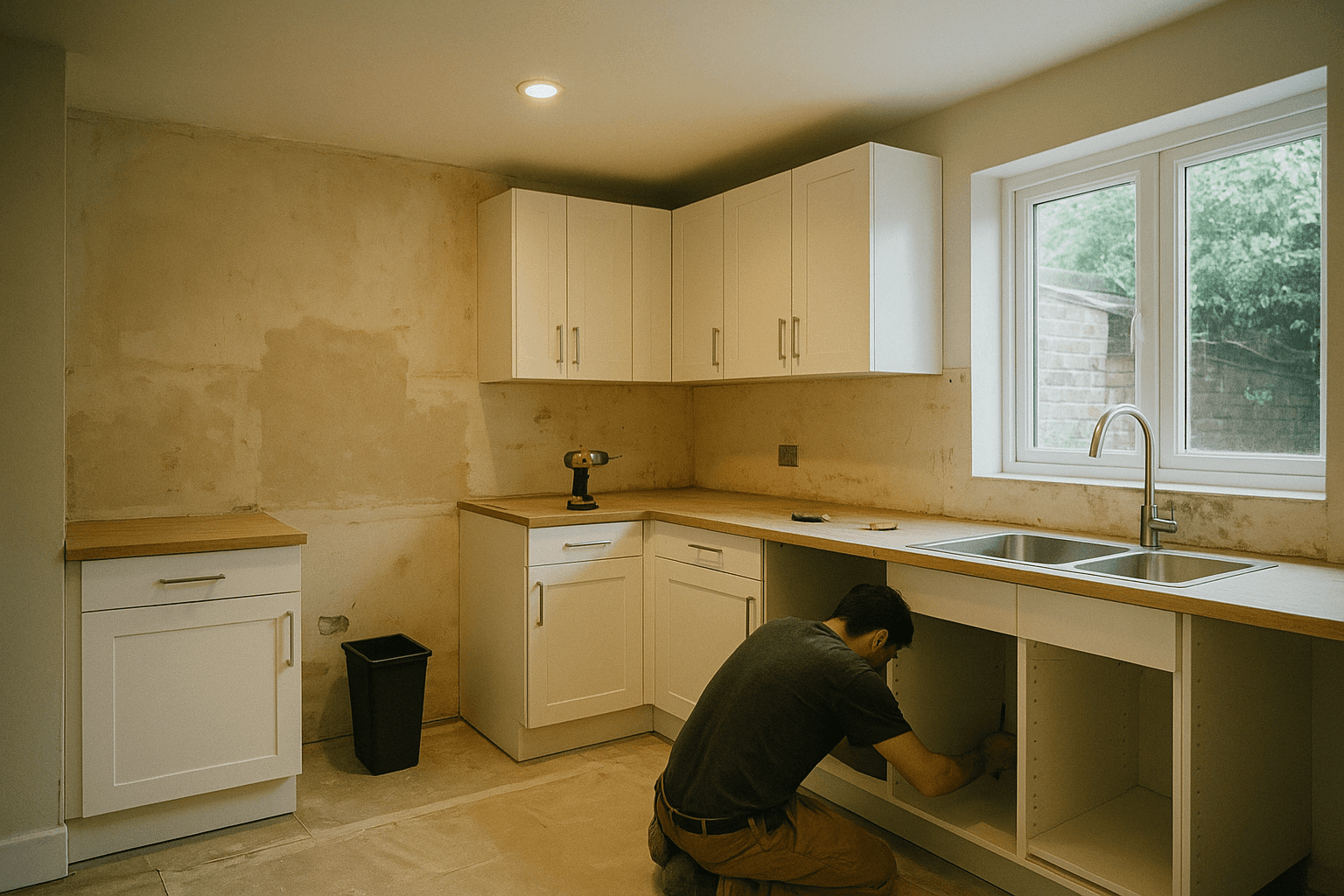
AI-Powered Renovation Expert