Written by the Instant Reno Team
Paddington Kitchen Contractor Guide — How to Choose a Contractor for Kitchen Remodel in Sydney
Feeling stressed about hiring a contractor for kitchen remodel in Paddington? You’re not alone. Renovations in older Sydney terraces can blow out in time and money if planning and cost estimation are sloppy. Accurate planning and reliable cost estimation separate a smooth kitchen renovation contractor job from a nightmare: they set realistic budgets, lock in timelines, flag heritage or asbestos risks early, and keep trades coordinated.
This guide walks you through everything a homeowner in Paddington needs to know before you sign a contract: how to scope works, what licences and permits to check, realistic cost ranges, the trades you’ll need, and how to read quotes like a pro. Use it as your neighbourhood playbook so you don’t get stitched up by a cowboy tradie or pay for surprises you could have spotted in advance.
Keywords you’ll find in this guide include contractor for kitchen remodel, kitchen renovation contractor, kitchen remodelling, kitchen refit, kitchen upgrade, kitchen fitter, cabinet installer, kitchen designer, licensed builder, heritage kitchen renovation and more — all tailored for Paddington, Sydney.
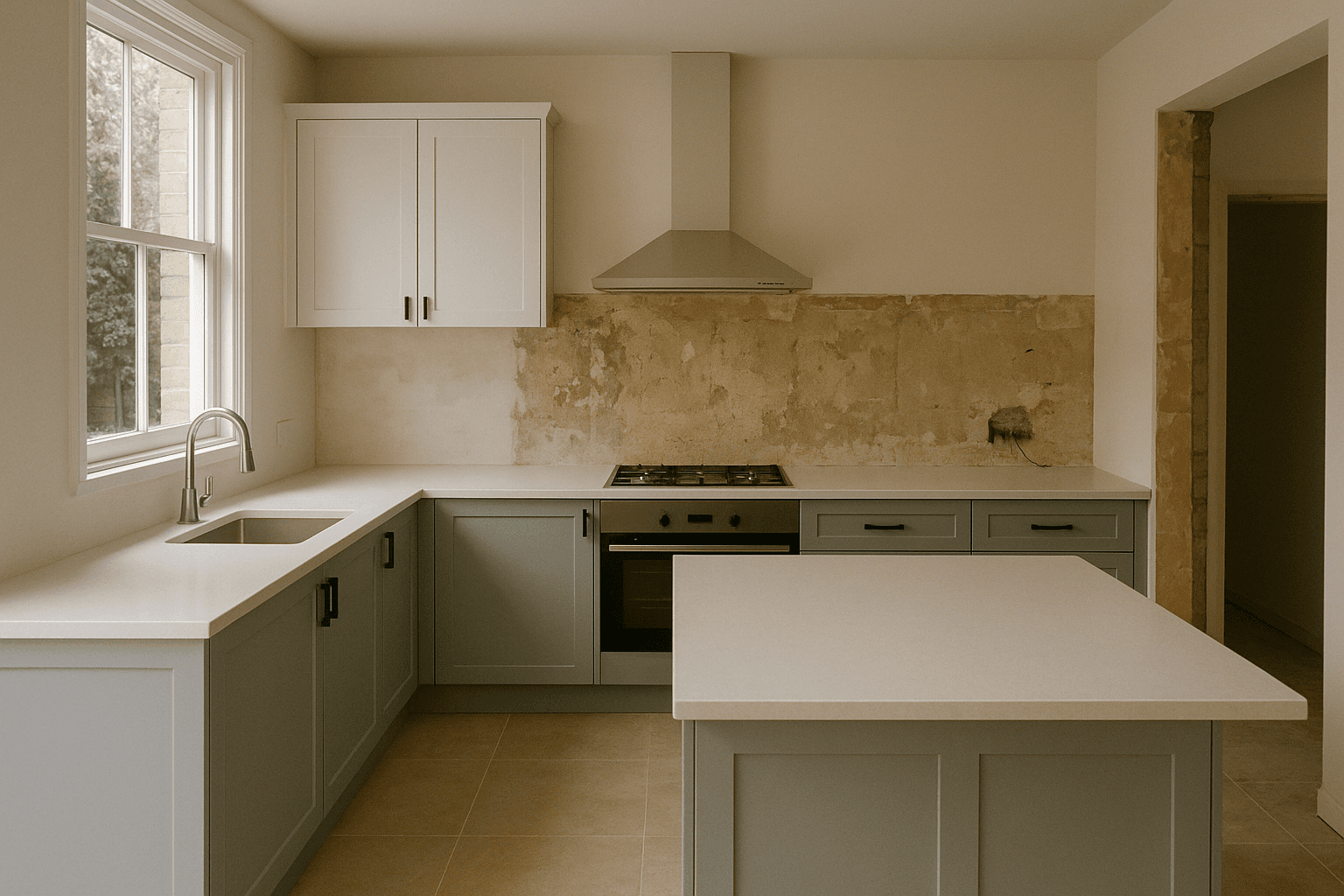
Step-by-step plan to scope, price and hire the right contractor for your Paddington kitchen
Getting a top outcome starts with a clear plan. Below is a practical, stepwise approach used by seasoned construction managers when they quote and run kitchen remodelling jobs in inner Sydney terrace suburbs.
H2: Stage 1 — Define scope and priorities (0–2 weeks)
Decide your must-haves vs nice-to-haves. Examples: relocation of sink or laundry plumbing, new bench top, full cabinet replacement, electrical upgrades for induction cooktop, or just a cabinet facelift.
Establish your target budget band. Typical ranges in Sydney terraces:
Cosmetic refresh (paint, hardware, benchtop resurfacing, splashback): $8,000–$20,000
Mid-range refit (new cabinets, appliance upgrades, benchtop, new floor): $25,000–$60,000
High-end renovation (structural changes, bespoke cabinetry, premium appliances): $60,000–$140,000+
Set a hard finish date if needed. Important if you’re on a tight schedule for tenants or events.
H3: Why a measured brief matters
A detailed scope reduces variations (changes) which are the main cause of cost blowouts.
Include approximate finishes and appliance models where possible so contractors can price accurately.
H2: Stage 2 — Technical checks & local constraints (1–3 weeks)
Survey the site. Look for load-bearing walls, timber floor access for plumbing, and any signs of asbestos in ceilings, underfloor or old splashbacks.
Heritage and council triggers: Paddington has many heritage terraces. Alterations to external walls, windows, decorative elements or certain fabric may need Development Application (DA) or a heritage application through City of Sydney. Check:
City of Sydney heritage information: https://www.cityofsydney.nsw.gov.au/heritage
DA and approvals: https://www.cityofsydney.nsw.gov.au/development
Asbestos guidance and testing: If your home was built before the 1980s, get an asbestos check. SafeWork NSW provides clear rules on asbestos removal: https://www.safework.nsw.gov.au/hazards-a-z/asbestos
Check services: Confirm the electrical switchboard capacity and gas lines if you plan a cooktop upgrade. An electrician (sparky) should quote for any switchboard upgrades or new circuits.
H2: Stage 3 — Design and measure (1–3 weeks)
Engage a kitchen designer or experienced kitchen fitter. Use them for a measured plan and a set of drawings your contractor will price to. Keywords to look for: kitchen designer, cabinet installer, kitchen fitter.
Measured drawings should show: cabinet layout, elevations, appliance locations, plumbing rough-in, switchgear positions, and materials list.
Allow for a contingency: 10–20% of the project budget for unknowns (structural, asbestos, hidden rot).
H2: Stage 4 — Tendering and quotes (2–4 weeks)
Get at least three written quotes from reputable kitchen renovation contractors or licensed builders. Ask for:
Line items and separate pricing for demolition, cabinetry, benchtops, appliances, flooring, plumbing, electrical, painting, waste disposal and contingency.
Program (start and finish dates), payment schedule, insurances, licences and warranty terms.
Compare like-for-like. If one contractor includes removal of a load-bearing wall while others don’t, the comparison is meaningless.
Check licences and insurance: Verify the contractor and subbies are licensed and have public liability. Check NSW Fair Trading: https://www.fairtrading.nsw.gov.au/
H3: What a good quote looks like
Breaks out demolition, disposal, carpentry, plumbing, electrical, benchtop fabrication, cabinetry allowance, hardware allowance, tiling, painting and clean-up.
States exclusions (for example, structural steel, DA fees, asbestos removal).
Has a clear payment schedule: deposit (usually 10–15% on contract), progress claim mid-job, final 10% on completion.
H2: Stage 5 — Contracts, permits and starting on site (1–6 weeks)
Sign a written contract. It should include scope, price, allowances, program, warranty and dispute terms. Never proceed on a handshake.
Organise any required approvals. Simple replanning inside the footprint may be exempt from DA, but heritage items, external facade changes or new structures often need approval.
Arrange temporary setups. Plan where trades will park tools and drop waste. Paddington streets are narrow; book a skip permit if you’ll need kerbside collection.
H3: Local council notes — Paddington practicalities
Street access and parking: Narrow streets may restrict big trucks; discuss with your contractor to arrange smaller deliveries or stairs for materials.
Waste disposal rules: City of Sydney waste and recycling: https://www.cityofsydney.nsw.gov.au/community/waste-and-recycling
Heritage overlays: Some façades and balcony elements in Paddington are protected. Contact City of Sydney early and include heritage consultant costs in your budget where relevant.
H2: Stage 6 — On-site management and snagging (Duration of project)
Project manager or owner builder? If you’re not managing trades yourself, a project manager or main contractor will coordinate the chippy, sparky, plumber, tiler and cabinet installer.
Daily or weekly check-ins: Keep a running list of decisions and sign off variations in writing. This prevents disputes.
Snag list and final defects: Walk through with the contractor before final payment. Hold back a small retention (5–10%) until all defects are fixed.
H2: Cost breakdown — realistic allowances for Paddington kitchens
Demolition & waste removal: $1,500–$6,000 depending on asbestos or structural removal.
Cabinetry and installation: $7,000–$40,000 (flat-pack to bespoke joinery)
Benchtops: Laminate $800–$2,500; engineered stone $2,500–$6,500; natural stone $4,500+
Appliances: From $1,500 for basic cooktop/oven to $12,000+ for premium brands
Plumbing & fixtures: $1,500–$6,000 (includes rough-in and new sink/faucets)
Electrical & switchboard upgrades: $1,200–$6,000
Tiling & splashback: $800–$6,000
Flooring: $1,500–$8,000 depending on material
Designer & council fees: $1,000–$6,000
Contingency: 10–20% of total
Note: These are ballpark ranges. Exact pricing depends on site access, heritage constraints and chosen finishes.
H2: Trades and who you’ll need
Licensed builder or head contractor (if structural changes or DA required)
Cabinet installer / kitchen fitter
Carpenter (chippy)
Plumber and licenced gasfitter
Electrician (sparky)
Tiler
Painter
Asbestos assessor/removalist (if flagged)
Structural engineer (for load-bearing walls)
Each trade should be able to provide licence numbers and insurance certificates on request.
H2: Sources and further reading
City of Sydney heritage: https://www.cityofsydney.nsw.gov.au/heritage
DA and building approvals: https://www.cityofsydney.nsw.gov.au/development
SafeWork NSW on asbestos: https://www.safework.nsw.gov.au/hazards-a-z/asbestos
NSW Fair Trading: https://www.fairtrading.nsw.gov.au/
City of Sydney waste and recycling: https://www.cityofsydney.nsw.gov.au/community/waste-and-recycling
These links help you confirm local rules and the requirements for heritage terraces in Paddington before you sign a contract.
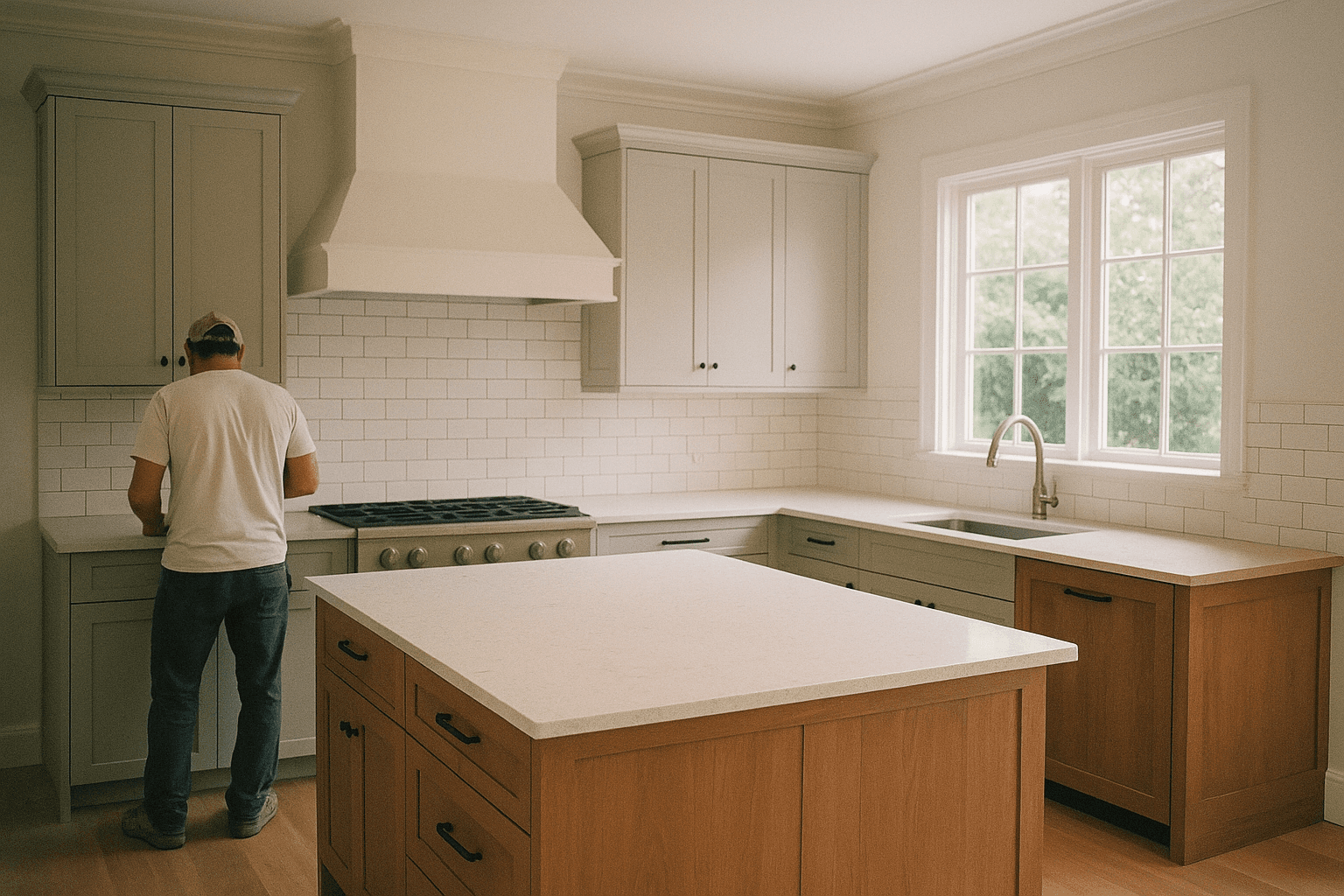
Common mistakes Paddington homeowners make — and how to avoid them
Renovating in an inner-city terrace brings unique traps. Here’s what I see most often and how to sidestep them.
Mistake 1 — Taking the cheapest quote
Why it bites: Lowball quotes often exclude critical items (asbestos removal, structural work, DA fees) and lead to variations.
How to avoid: Compare detailed quotes and insist on written inclusions and exclusions. If a contractor is much cheaper, ask where they’ve cut cost and verify their past work.
Mistake 2 — Skipping an asbestos check
Why it bites: Older Paddington terraces commonly used asbestos-cement sheeting and adhesives. Unplanned discovery stops the job and can add big costs.
How to avoid: Budget for an asbestos inspection in houses built before 1985 and include removal costs as a separate line item. Follow SafeWork NSW guidance: https://www.safework.nsw.gov.au/hazards-a-z/asbestos
Mistake 3 — Not checking heritage requirements early
Why it bites: Works that affect protected fabric can require a DA or heritage consent. Doing this mid-job delays progress and incurs fees.
How to avoid: Contact City of Sydney early via https://www.cityofsydney.nsw.gov.au/development and, if needed, engage a heritage consultant.
Mistake 4 — Moving services unnecessarily
Why it bites: Changing the location of sinks, cooktops or drains increases plumbing and electrical costs significantly.
How to avoid: Keep the wet areas largely where they are if cost is the priority. If relocation is essential, budget accordingly and get a plumber quote early.
Mistake 5 — No written contract or poor payment schedule
Why it bites: Verbal agreements lead to disputes and unfinished jobs.
How to avoid: Insist on a clear contract with milestones and hold back a final retention until defects are fixed. Verify licences with NSW Fair Trading: https://www.fairtrading.nsw.gov.au/
Smart ways to save money without cutting corners
Refurbish instead of full replace: Reface cabinet doors and change handles for a fraction of bespoke joinery costs.
Keep plumbing and electrical layout the same: Major savings by avoiding trenching or extra plumbing runs.
Buy appliances yourself: Sourcing your own appliances can save margin if you compare warranties and delivery costs.
Use engineered stone or quality laminate: Many laminates now mimic stone and last well at a much lower cost.
Stagger works: If budget is tight, do essential structural and services work first, and leave cosmetic finishes for later.
Negotiate a fixed-price contract for clearly defined scope to limit variations.
Things to check on the day the contractor arrives
Contractor licence and insurance certificate
Written contract and signed scope
Program showing start and finish dates
Confirmation of where materials will be stored and how waste will be removed
Contact details for the project manager or lead tradie
Warnings about cowboy tradies
No ABN or licence, insists on cash-only payment
Asks for a very large deposit and won’t provide a contract
No references or portfolio of recent local jobs
If you suspect a cowboy tradie, stop and call NSW Fair Trading: https://www.fairtrading.nsw.gov.au/
Local voices — what Paddington locals say
On local forums and Reddit threads, homeowners in Paddington frequently report that the best outcomes came from local builders who understood terrace quirks — narrow laneways, heritage facades and tricky plumbing in older floors. People have said they saved time and stress by hiring contractors experienced with heritage kitchen renovation and compact city-site logistics.
Final checklist before you sign
Three written quotes with line items
Confirmed licences for builder and major subtrades
Asbestos inspection and agreement on who pays for removal if found
Council approval status or written confirmation of exemption
Detailed contract with program, payment schedule, warranties and retention
Contingency fund of 10–20% and plan for variations
Closing thoughts — realistic, not rosy
A good contractor for kitchen remodel in Paddington will know how to handle the quirks of terrace homes: they’ll plan for narrow access, possible asbestos, heritage overlays and older wiring. Don’t let price be the only decision factor. Prioritise someone with local experience, clear communication, and a detailed written quote.
If you want a quick next step: get measured drawings from a kitchen designer, then invite three licensed kitchen renovation contractors to price the same scope. That replicable approach gives you apples-to-apples quotes, keeps your budget honest, and will save you the biggest headache of all — surprises.
Need a checklist you can print and take to site? Consider downloading local council forms from City of Sydney and the NSW Fair Trading licensing checker before your first site visit:
City of Sydney development and heritage: https://www.cityofsydney.nsw.gov.au/development
SafeWork NSW asbestos: https://www.safework.nsw.gov.au/hazards-a-z/asbestos
NSW Fair Trading licences: https://www.fairtrading.nsw.gov.au/
Good on ya for doing your homework — get the right team, set a real budget, and your kitchen remodelling will be a ripper.
AI-Powered Renovation Expert