Written by the Instant Reno Team
Kitchen renovations on the Gold Coast can blow out fast if you don’t pick the right contractor for kitchen remodel and nail the estimate up front. You’re not just buying benchtops and cupboards — you’re buying labour, council approvals, hidden repairs (often asbestos in older beachside homes), trades coordination and a realistic timeline. Accurate planning and a solid cost estimate are the difference between a smooth job and a three-month headache that costs two or three times what you thought.
Why this matters now
Rising material and labour costs across SE Queensland mean a slack scope becomes expensive quick.
Local constraints (heritage overlays in parts of the Coast, stormwater controls, waste disposal rules) add cost and paperwork.
Long lead times for appliances and custom joinery on the Gold Coast change scheduling and cashflow.
This guide is written from 20+ years in residential construction and renovations in Australia, with practical, step-by-step advice for hiring a contractor for kitchen remodel in the Gold Coast. It explains how professional estimating tools analyse photos to produce accurate quotes, what local council rules you must consider, realistic cost ranges and hard-earned tips to save money without cutting corners.
Local realities you’ll face on the Gold Coast
Suburb types: beachside (Surfers Paradise, Burleigh Heads) properties tend to be newer apartments and high-value coastal homes; inland suburbs (Southport, Ashmore, Nerang) include more older fibro and double-brick homes that may conceal asbestos or termite damage.
Topography: parts of the hinterland and some northern suburbs are hilly — that can affect access for trucks, scaffolding and crane lifts for cabinetry or benchtops.
Common issues: older Gold Coast houses often have asbestos sheeting, sub-floor moisture, or old electrical switchboards that require upgrades.
Quick links you’ll need
Gold Coast City Council — building and planning: https://www.goldcoast.qld.gov.au/services/building-planning
Gold Coast waste & recycling info: https://www.goldcoast.qld.gov.au/rubbish-recycling/household-waste-and-recycling
Queensland Government — asbestos information & disposal: https://www.qld.gov.au/environment/pollution/management/waste/asbestos
QBCC (licensing & disputes): https://www.qbcc.qld.gov.au/
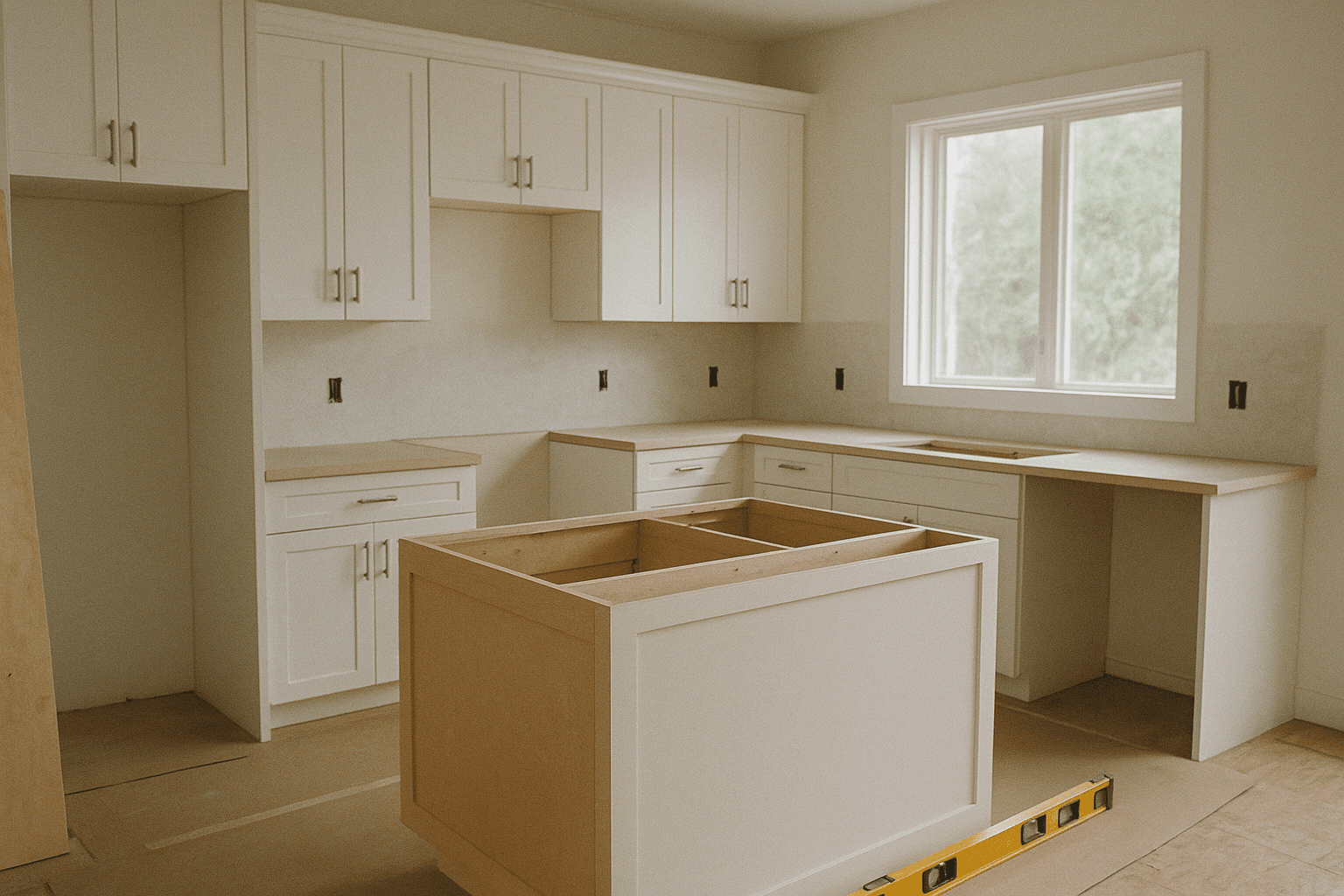
How to manage a kitchen remodel on the Gold Coast — step-by-step
Plan, scope, and get reality-based numbers. Below is a practical workflow I use with clients and contractors when estimating and managing a kitchen renovation.
Prepare a clear brief
1. Define the level of renovation
Cosmetic facelift: Refacing cabinets, painting, splashback, new tapware, benchtop overlay. Usually minimal plumbing/electrical changes.
Mid-range remodel: New cabinets, benchtops, appliance upgrades, some layout change, modest plumbing and electrical work.
Full gut & rebuild: Structural changes (remove walls, move services), full rewire, plumbing relocations, engineered benchtops, custom joinery.
2. Take thorough photos (and what the estimator looks for)
When you’re contacting a contractor for kitchen remodel, the first practical step is to supply photos. Modern estimating tools analyse these photos to produce an itemised, realistic estimate — here’s exactly how that photo-analysis process works so you understand and trust the numbers:
Orientation and coverage: The estimator engine requires photos from multiple angles — overall room shots plus close-ups of the benchtop, underbench, ceiling, service points and existing appliances.
Metadata and scale: The tool reads photo metadata (time, device, orientation) and looks for hard references (standard door widths, tile sizes, powerpoint positions) to estimate dimensions.
Feature recognition: The system identifies fixtures — sink, oven, rangehood, gas lines, island bench, island overhang — and classifies surfaces (tile, laminate, timber, stone) to determine replacement type and labour complexity.
Condition analysis: It spots visible damage — water stains, mould, cracked tiles, rust — and flags likely hidden issues (sub-floor dampness if vents show moisture, sagging benchtops implying support problems).
Service mapping: The tool maps visible electrical outlets, plumbing locations and gas lines to show which items can be reused and which must relocate.
Access and logistics: Photos of doorways, staircases, driveway and site access are used to calculate crane or hoist needs, scaffold requirements and truck access for large stone benchtops.
Cross-reference to local pricing: Once features and dimensions are estimated, the engine matches items against a Gold Coast price database (local labour rates, supplier costs, freight and disposal fees) and applies local multipliers for travel and council fees.
Risk & allowance flags: If asbestos risk is high (older fibro walls), the estimator automatically applies provisional allowances for testing and licensed removal and notes that a site inspection is required to confirm.
This process produces a first-pass, itemised quote with confidence bands (e.g., +/- 10–15%) and identifies what must be verified on-site. A reputable contractor for kitchen remodel will then follow up for a site visit before finalising a fixed-price contract.
3. Get three quotes properly
Same scope: Give each contractor the same brief, photos and materials list.
Line-item quotes: Ask for itemised pricing (demolition, joinery, benchtop, splashback, appliances, plumbing, electrical, tiling, painting, rubbish removal, permits). This makes apples-to-apples comparison possible.
Allowances: If finishes aren’t finalised, use realistic allowances and note who is responsible for selecting and sourcing.
Time & payment schedule: Detail expected start/end dates, lead times for custom items and a staged payment schedule tied to milestones.
Costs for the Gold Coast — realistic ranges (AUD, incl. GST where applicable)
Basic cosmetic facelift: $8,000 – $18,000
Mid-range renovation (new cabinetry, benchtop, appliances): $25,000 – $60,000
Full gut & custom joinery: $60,000 – $140,000+
Notes on costs:
Labour on the Gold Coast can vary; expect trades rates roughly:
Carpenter/joiner: $60 – $110/hr (or staged joinery pricing)
Electrician: $90 – $150/hr (plus switchboard upgrade adds $1,200–$3,500)
Plumber: $90 – $160/hr (moving waste or changing gas lines increases cost)
Stone benchtops (engineered quartz) typically $900 – $1,200/m2 installed; natural stone runs more.
Custom joinery is the largest variable — standard flat-pack kitchen vs semi-custom vs fully custom will change price substantially.
Permits, approvals and legal must-dos on the Gold Coast
Building approvals: Any structural changes, plumbing relocations or work that changes egress requires a development/building application and licensed trades. See Gold Coast City Council building & planning: https://www.goldcoast.qld.gov.au/services/building-planning
Plumbing & gas: Must be performed by licensed plumbers and certified. Gas work carries higher insurance and safety requirements.
Asbestos: Older homes often use fibro sheeting. If asbestos is suspected, testing and licensed removal is mandatory. See Queensland Government asbestos guidance: https://www.qld.gov.au/environment/pollution/management/waste/asbestos
Waste disposal: Builders must follow council rules for building waste and approved disposal. Gold Coast waste and recycling info: https://www.goldcoast.qld.gov.au/rubbish-recycling/household-waste-and-recycling
Licensed trades and disputes: Always check contractor licences and confirm insurance via QBCC: https://www.qbcc.qld.gov.au/
How the estimator handles local council rules and adds costs
Council fees: The estimator consults a live database or applies current permit fees for the Gold Coast and includes those in the total.
Heritage overlays: If the property falls into a heritage area, additional documentation and approvals may be required — the estimator flags this and adds time and consultant costs.
Waste & asbestos allowances: The photo analysis flags asbestos risk and includes provisional removal costs; it also factors in local disposal fees and skip-hire access limitations.
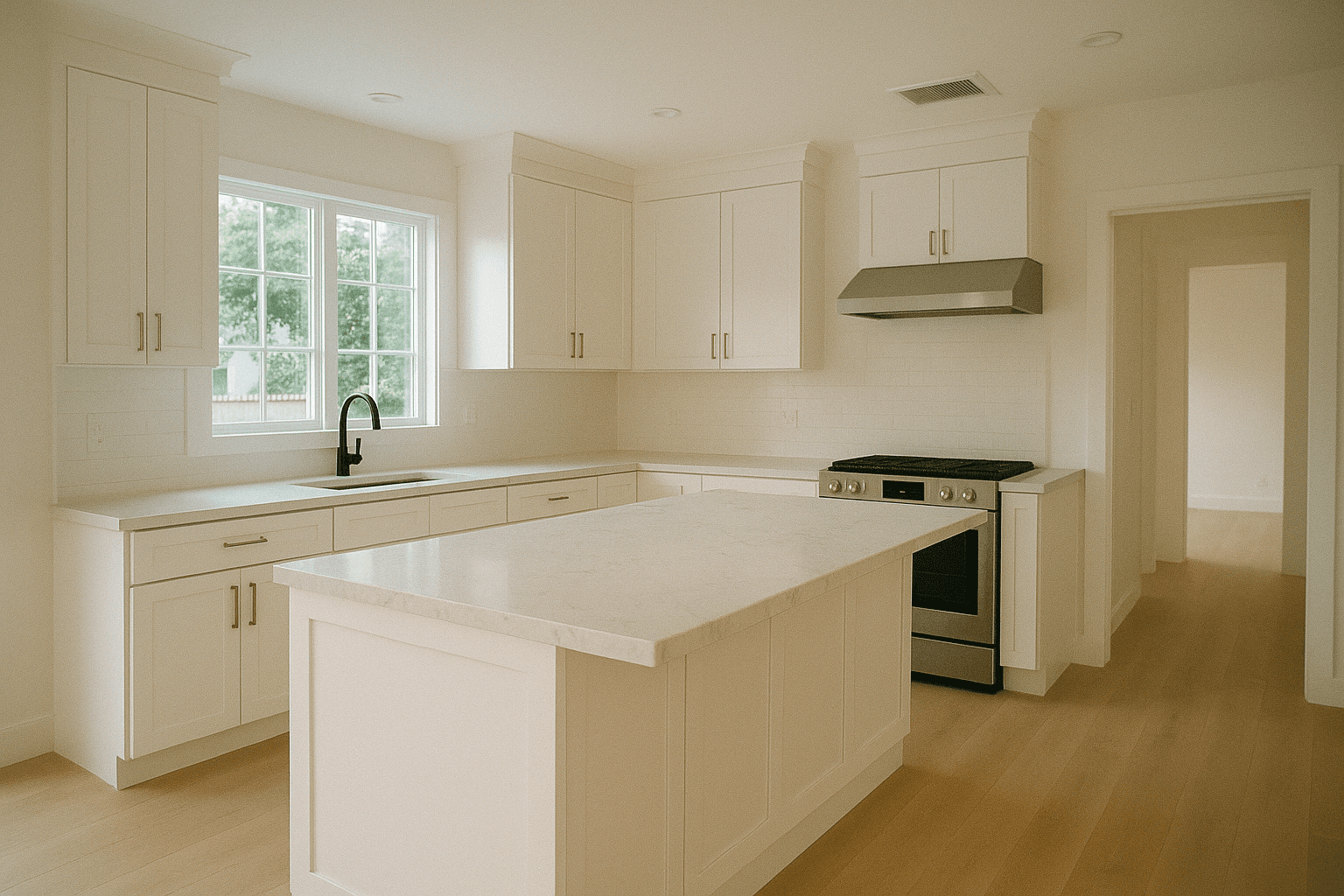
What homeowners get wrong — and how to avoid it
Common mistakes when hiring a contractor for kitchen remodel
Choosing solely on price: The lowest quote often omits crucial items (permit costs, rubbish disposal, removal of old materials) or uses lower quality materials. Look for detailed line-item quotes.
No site visit before signing: Quotes from photos are great for ballpark numbers, but a final fixed price should follow an on-site inspection to confirm hidden issues.
Changing scope mid-job: Every change order adds cost and time. Lock finishes early and accept that late changes are expensive.
Not checking licences and insurance: Always confirm tradespeople are licensed with QBCC and carry public liability insurance.
Underestimating lead times: Custom joinery and stone benchtops often have 6–12 week lead times — plan your schedule and living arrangements.
How to save money without cutting corners
Keep services where they are: Moving plumbing or electrical points is expensive. If possible, design the new layout to use existing service locations.
Choose standard cabinet heights and sizes: Custom sizes add joinery costs. Semi-modular kitchens reduce price but can still look premium with good hardware and finishes.
Use a mix of custom and standard: Custom for islands and feature walls; stock units for pantry and less visible areas.
Source appliances yourself (carefully): Buying appliances can save money, but confirm warranty terms and shop-fit compatibility with the contractor.
Retain the cabinet carcass if in good condition: Refacing doors and replacing benchtops can give a fresh look at a fraction of the cost.
Plan for rubbish and disposal: Organise skip hire and asbestos testing early to avoid on-the-fly cost markups.
Red flags when dealing with contractors
Vague scope and open-ended quotes: If they can’t itemise, walk away.
Pressure for large up-front payments: A sensible deposit is common, but avoid contractors who ask for more than 20–30% before work starts (custom joinery purchases may be different — get receipts).
Reluctance to provide references or past job photos: Ask for recent Gold Coast projects and check them.
No written timeline or payment schedule: Put everything in the contract including remedy for late completion.
Sample contract checklist
Full scope and drawings (if any)
Line-item pricing and allowances
Start and completion dates + milestones
Payment schedule tied to milestones
Permits and who obtains them
Insurance & licence details (include QBCC licence number)
Defects liability period (commonly 12 months)
Variation/change order process
Gold Coast-specific tips and social proof
Access and timing: Avoid peak holiday periods if you live near the beach — trades and suppliers are often busier and more expensive in December–January.
Hinterland properties: Confirm crane access if you have limited driveway width or steep access; crane lifts add cost but can save damage to gardens and reduce labour time.
Asbestos caution: In suburbs with older fibro homes (parts of Southport, Labrador, bigger inland lots), allow for testing and licensed removal. It’s non-negotiable and enforced by Queensland laws.
What locals say (a general note from online community feedback)
People on local threads and forums in the Gold Coast often report that reliable tradies are available but get booked out — clients recommend getting your deposit in early once you’ve checked references and licences. Others emphasise that multiple quotes and asking for a detailed line-item quote saved them thousands and avoided nasty surprises.
Final checklist before you sign with a contractor for kitchen remodel
Have you requested three detailed quotes and compared line items?
Did you confirm licences and insurance (QBCC) for all trades?
Has the contractor performed or scheduled a site visit to confirm the photo-based estimate?
Are lead times for joinery and appliances confirmed and included in the timeline?
Are asbestos risks identified and allowances included if house age warrants it?
Is there a written contract with milestone payments, completion date and defect liability period?
Wrap-up — practical, local, trustworthy
If you want a kitchen on the Gold Coast that delivers on time and on budget, start with a clear brief, good photos and an understanding of how professional estimating tools analyse those photos to create a realistic, itemised quote. Use the local links above to check permits and asbestos rules, get at least three detailed quotes, insist on a site visit for a fixed price and lock your finishes early. Do that and you’ll avoid the common rip-offs and surprises that turn a straightforward kitchen job into an expensive nightmare.
Need help? If you want, I can walk you through what photos to take for an accurate estimate, or a checklist to send to tradies so their quotes are comparable. That’s the difference between a kitchen that stresses you out and one you actually enjoy using.
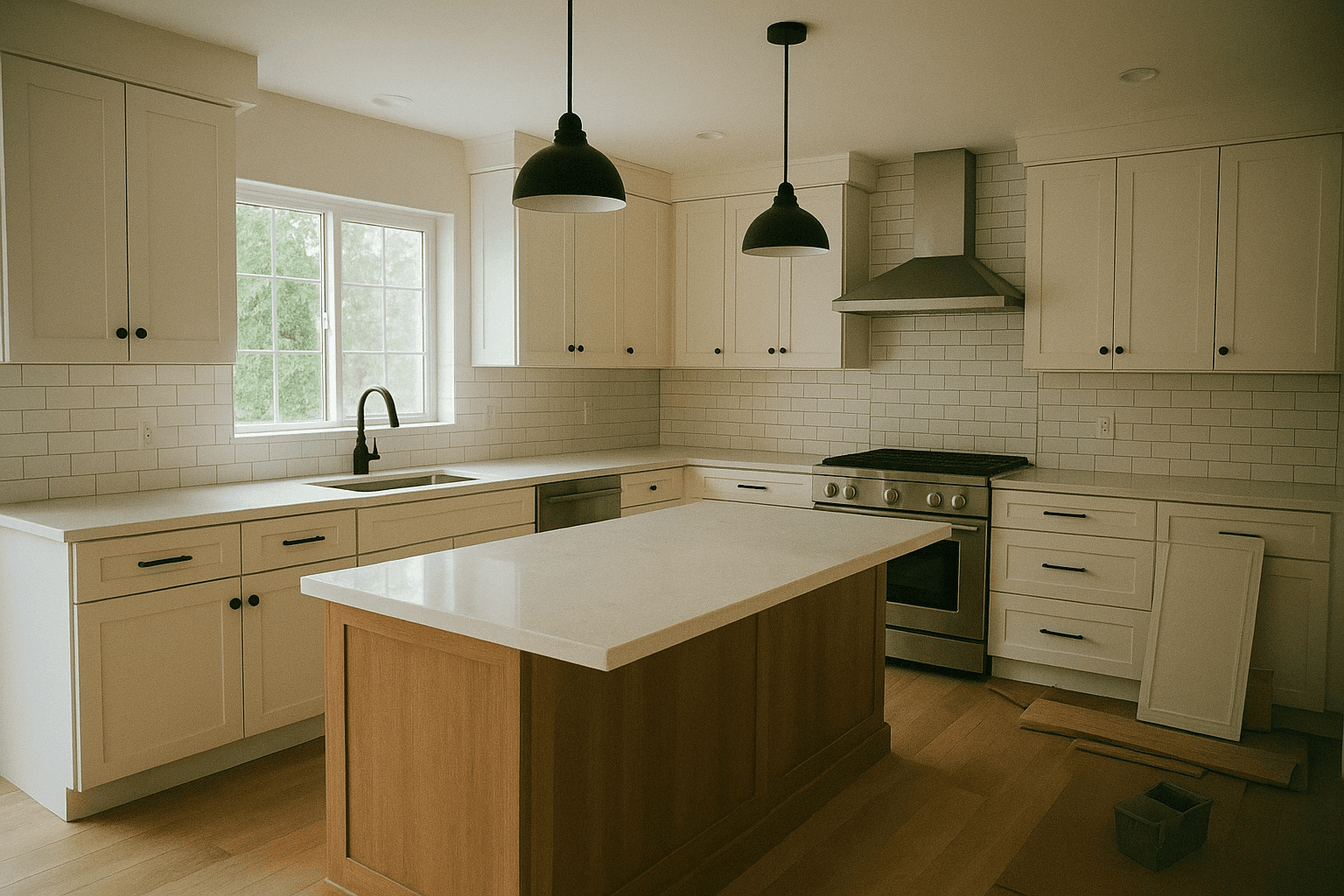
AI-Powered Renovation Expert