Written by the Instant Reno Team
Hiring a Bath Remodeling Contractor in Melbourne Bayside: Costs, Council Rules & No-Nonsense Tips
Renovating a bathroom can be a proper headache if you get it wrong. Whether you want to replace a cracked tile floor, strip out an outdated suite, or do a full wet-room conversion, hiring the right bath remodeling contractor up front makes the difference between a tidy job and a project that drags on, blows the budget and leaves you with leaks.
If you are in Brighton, Sandringham or surrounding Bayside suburbs this guide walks you through why accurate planning and cost estimation matter, and how to avoid the common traps homeowners make. Right from the first quote to the final inspection, a clear plan keeps trades in line, budgets honest and council red tape under control. Read on for a step-by-step blueprint, real Australian price ranges and local council pointers so you can get your bathroom done quickly, legally and without the drama.
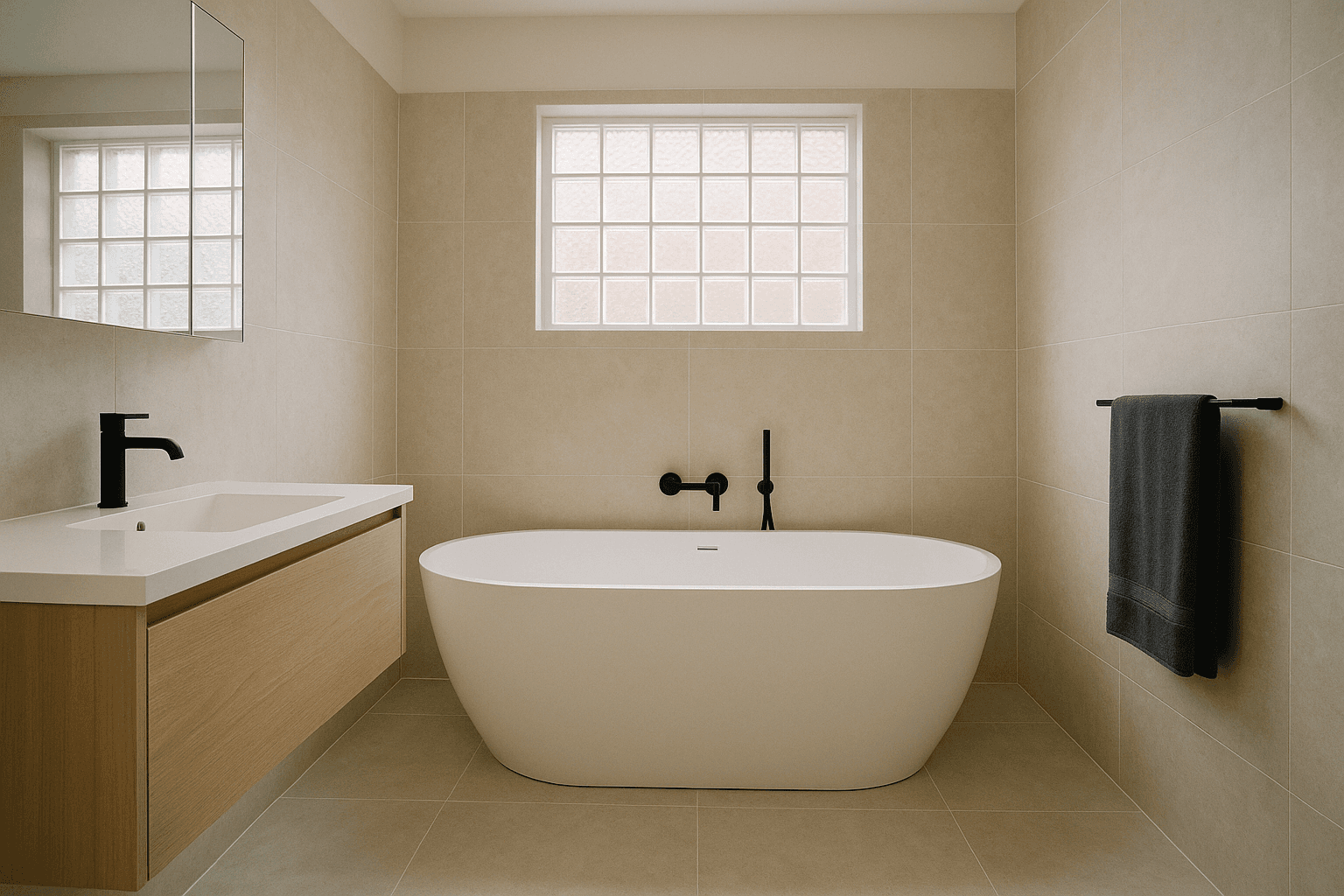
A practical step-by-step for hiring and managing a bath remodeling contractor
A successful bathroom renovation depends on a sequence of decisions and good documentation. Below is a tried-and-true workflow I use as a construction manager when briefing contractors and managing budgets.
1. Decide scope and priorities
List must-haves vs nice-to-haves: new shower, bathtub, vanity, floor tiles, new waterproofing, skylight, heated towel rail? Rank items by importance.
Function first: family bathroom vs ensuite have different needs for durability and privacy.
Timeline: how soon do you need it finished? Faster times usually cost more.
2. Measure and record existing conditions
Measure the room: length, width, ceiling height, location of waste and water lines.
Photograph everything: underside of vanities, access panels, external walls — looks trivial now, but saves disagreement later.
Check for asbestos and hidden issues: homes built before the late 1980s in Bayside can have fibro sheeting or old adhesives. If you suspect asbestos arrange testing (see local EPA guidance below).
3. Sketch layout options and finalise materials
Stick to plumbing: moving drains more than 300mm vertically or >1m horizontally is a cost driver.
Material selection: tiles, waterproofing membrane, tapware, vanity style, lighting — pick realistic options before sourcing quotes.
Durability matters: coastal homes need corrosion-resistant fixtures.
4. Get at least three written quotes
Ask for line-item quotes: demolition, waste removal, plumbing rough-in, electrical, waterproofing, tiling, joinery, fixtures, painting, final clean.
Compare apples with apples: check brands, tile sizes, membrane type, tile underlay, and grout/waterproof systems.
Check licences and insurance: plumber registration, builder registration (if structural work), public liability and worker’s comp.
5. Confirm permits and council rules (Bayside specifics)
Building permits: For structural or waterproofing that affects wet areas you may need a building permit. Check Victorian Building Authority guidance (https://www.vba.vic.gov.au).
Heritage overlays: Brighton and parts of Sandringham have heritage overlays. If your property is heritage-listed you may need council approval for changes to visible elements (windows, external joinery). Check Bayside City Council planning and heritage pages (https://www.bayside.vic.gov.au/building-planning/heritage).
Waste and asbestos: If removal of old materials could involve asbestos engage a licensed removalist and follow EPA Victoria rules (https://www.epa.vic.gov.au/your-environment/household-waste/asbestos).
Local council contacts: for planning enquiries and local controls, use Bayside City Council (https://www.bayside.vic.gov.au).
6. Sign a clear contract
Include scope, variations process, payment schedule and completion criteria.
Retentions and holdbacks: keep a small final retention until final inspection and handover.
Warranties: get written warranty on waterproofing, fixtures and workmanship.
7. Project management during the build
Daily/weekly check-ins: short site meetings to address queries and confirm next trades.
Snapshots of progress: ask the contractor to send regular photos — handy for claims and your peace of mind.
Inspect waterproofing before tiling: never let tilers proceed without a signed waterproofing inspection.
Estimating the Costs for the bath remodeling contractor
Below are realistic Australian dollar cost ranges (AUD) relevant to Melbourne Bayside in 2025. Prices vary with finish level, access, hidden defects and whether structural or plumbing relocations are needed. These ranges are based on 20+ years of on-site experience and recent market checks.
Typical budgets by project type
Budget refresh (paint, vanity swap, new toilet, replace tapware): $6,000 to $12,000
Good for cosmetic updates where floor and waterproofing remain untouched.
Mid-range renovation (new shower, tiles, vanity, replace fittings, new waterproofing where required): $18,000 to $35,000
Common for 1–2 week full refresh with some plumbing adjustments.
Full bathroom strip-out and reconfigure (move fixtures, new floor structure, high-spec finishes): $35,000 to $70,000+
Includes structural work, relocating waste stacks or adding skylight; high-end tiles and joinery drive costs up.
Luxury ensuite/wet-room (custom joinery, frameless glass, premium fixtures, underfloor heating): $70,000 to $120,000+
High-end materials and complex waterproofing systems plus custom cabinetry and specialist trades.
Line-item breakdown (typical mid-range bathroom ~4m2)
Demolition and waste removal: $800 - $2,500
Includes asbestos-safe removal if required (higher cost).
Plumbing (rough-in, new fixtures): $2,500 - $7,000
Moving drains increases cost; adding new hot-water branch or mixers adds labour and parts.
Electrical and lighting: $700 - $2,500
LED downlights, heated towel rail, extraction fan; include RCD upgrades if necessary.
Waterproofing (walls and shower floor): $1,200 - $4,000
Liquid membrane vs sheet membrane; ensure 7-year+ warranty where possible.
Tiling (labour + tiles): $2,000 - $8,000
Large format tiles cost more for levelling and cutting; mosaics incur higher labour.
Vanity and joinery: $1,200 - $6,000
Off-the-shelf vs custom cabinetry.
Fixtures (toilet, showerhead, mixers): $800 - $6,000
Premium European brands escalate cost.
Painting, trims and finishing: $400 - $1,500
Contingency (recommended): 10% - 20% of project cost
Always budget for unseen issues: rotten joists, corroded pipes, structural repairs.
Materials selection and where costs hide
Tiles: expect $30 - $150/m2 for ceramic and porcelain, $150+ for stone; also factor in tile waste (10–15%).
Waterproofing system: cheap membranes save a couple hundred dollars now but can cost thousands if they fail. Choose certified systems and ensure a documented application.
Tapware and fittings: basic chrome mixer from $80, mid-range $250-$600, premium $800+.
Vanities: flat-pack vanity from $250, semi-custom $1,000-$2,500, custom timber $3,000+.
Labour rates: expect licensed plumbers and electricians at higher rates than general handymen — but only licensed trades protect you and your insurance.
Local cost modifiers for Bayside suburbs
Heritage requirements: If you’re in a heritage overlay you may need additional approvals and to match heritage finishes. This adds time and cost (estimate $500 - $5,000 for documentation and minor modifications). See Bayside City Council heritage info (https://www.bayside.vic.gov.au/building-planning/heritage).
Access and parking restrictions: narrow streets in older Brighton pockets may increase skip-bin and delivery costs.
Coastal exposure: marine-grade fixtures and stainless fixings recommended for beachfront properties to avoid corrosion.
Example budget scenarios (itemised)
Small ensuite, mid-range finish (2.5m2): total $18k
Demolition/waste: $900
Plumbing: $3,200
Waterproofing: $1,800
Tiles: $3,000
Vanity + fixtures: $3,000
Labour/tiling/joinery: $4,000
Electrical/lighting: $600
Contingency (10%): $900
Full family bathroom reconfigure, high-mid finish (6m2): total $42k
Demolition/waste/asbestos safe removal: $3,000
Structural/floor repairs: $4,500
Plumbing (relocate shower waste): $8,000
Waterproofing: $3,500
Tiles (walls + floor, mid-range): $6,500
Vanities + cabinetry: $5,000
Fixtures (premium): $4,500
Electrical/lighting/heated towel rail: $2,000
Labour/finishing/clean: $3,500
Contingency 15%: $4,000
Payment schedules and protecting yourself
Staged payments tied to milestones: common schedule is 10% deposit, 30% after demolition/rough-in, 50% during finishing, 10% on completion.
Never pay full up-front and hold final 5-10% until you have final sign-off and warranties.
Get waterproofing certificate and keep documentation for insurance.
Useful local resources and links
Bayside City Council building and planning: https://www.bayside.vic.gov.au/building-planning
Heritage Victoria: https://heritage.vic.gov.au
Victorian Building Authority (permits and registrations): https://www.vba.vic.gov.au
EPA Victoria asbestos guidance: https://www.epa.vic.gov.au/your-environment/household-waste/asbestos
Consumer Affairs Victoria — contracts and home renovation tips: https://www.consumer.vic.gov.au
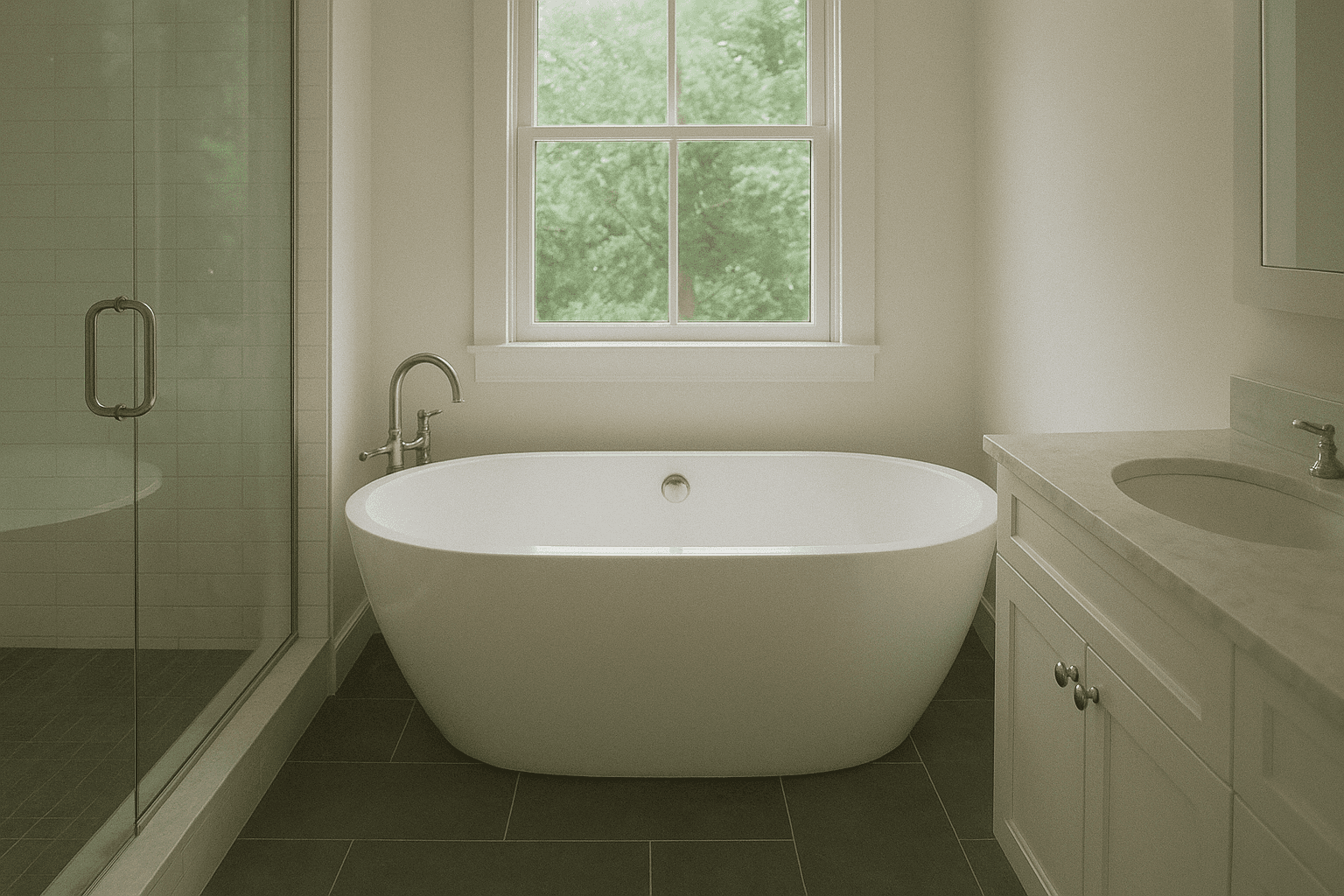
Common mistakes homeowners make with bath remodeling contractors and how to avoid them
Getting a bathroom done right in Bayside requires more than picking pretty tiles. Here are the common traps and how to sidestep them.
Mistake 1 — Choosing price over qualifications
False economy: A cheap unlicensed tradesperson may save a few grand upfront but can cost tens of thousands in rectification.
Fix: Always verify licences and insurance. Ask the contractor for past local references and photos of finished jobs.
Mistake 2 — Inadequate waterproofing and inspections
Problem: Waterproofing failures are the single biggest cause of expensive rework.
Fix: Require a waterproofing certificate and independent inspection before tiling. Use proven membrane systems with manufacturer warranties.
Mistake 3 — Not budgeting for contingency
Problem: Hidden rot, corroded pipes, asbestos and structural issues are common in older Bayside houses.
Fix: Build a 10–20% contingency into your budget and be realistic about potential surprises.
Mistake 4 — Moving drains without considering costs
Problem: Relocating wastes or going through concrete slab can explode costs.
Fix: Retain the original drainage layout where possible. If re-locating is essential, get an engineer to assess and include allowance for floor works.
Mistake 5 — Vague contracts and scope
Problem: Oral agreements lead to disputes.
Fix: Sign a written contract with clear scope, finishes, brand/model numbers, and variation process. Include a timeline and penalties for unreasonable delays.
Money-saving tactics that don’t cut corners
Keep plumbing locations: minimise moving waste lines and water outlets.
Mix finishes: use higher-end tapware where it counts and good-quality but cheaper tiles where wear is low.
Buy fixtures yourself: sourcing vanities or tiles yourself can save money, but coordinate delivery and warranty responsibilities with the contractor.
Reuse layouts: keep layout common to existing footprint to avoid structural or drainage work.
Things to look out for on-site
Correct falls on shower floor: water must run to the drain with adequate fall.
Sealed penetrations: where floor meets wall, around drains and fixtures.
Tile substrate: cement sheet or waterproof backer board straight and fixed to manufacturer specs.
Ventilation: adequate extraction fan with correct ducting to outside — prevents mould and damage.
Hiring checklist before you sign
Three written quotes with detailed line items
Licenses and insurance verified
Proof of past work and local referrals
Clear contract with payment schedule, completion criteria and warranty details
Waterproofing method and warranty stated
Contingency allowance included
Council/permit responsibilities clarified
Red flags when engaging a bathroom contractor
No ABN or licence details
Insists on cash-only payments or large up-front deposits
Refuses to provide a written scope or warranty
No portfolio or local references
What locals say — community feedback
People in Brighton and Sandringham have discussed renovation headaches on local forums and Reddit, noting that the biggest problems came from poor waterproofing and contractors who vanished when variations came up. Residents recommend getting the waterproofing checked independently and making sure councils are consulted early when properties have heritage overlays or are near the coast.
Final advice — practical and fair dinkum
Renovating a bathroom in Bayside is a solid investment when done properly. The key is to plan carefully, select a reputable bath remodeling contractor, and document everything. Don’t skimp on waterproofing or licensed trades, and include a sensible contingency. With the right approach you’ll avoid the usual dramas, keep the job on budget and end up with a bathroom that works and lasts.
If you want a simple next step: measure your bathroom, take clear photos, write a short brief of must-haves and organise three line-item quotes. Keep the focus on durability and waterproofing and you’ll be laughing — no mucking about.
Need a checklist PDF or sample contract items? I can draft a local Bayside-specific checklist you can take to quotes.
AI-Powered Renovation Expert