Written by the Instant Reno Team
Hiring a Contractor for Kitchen Remodel in Paddington, Sydney
If your old galley kitchen is more drama than delight, hiring the right contractor for kitchen remodel work is the difference between a smooth reno and a sore headache. In Paddington — with its terraces, steep streets and frequent heritage overlays — accurate planning and realistic cost estimation are critical. Get the scope wrong and you’ll blow the budget, fall foul of council rules, or end up with a kitchen that doesn’t flow.
Why this matters now:
Hidden costs (asbestos, structural changes, non-compliant wiring) are common in older Paddington homes.
Council approvals and heritage restrictions can add time and cost if not identified early.
Trades coordination across plumbing, electrical, joinery and tiling makes program management essential.
This guide explains how to choose the right kitchen contractor, produce reliable kitchen remodel cost estimates, navigate local regulations, and avoid the common mistakes I’ve seen over 20+ years managing renovations across Sydney. The goal: a practical, step-by-step approach that gets your new kitchen delivered on time, on budget and with minimal drama.
Key phrases you’ll see through this guide: kitchen renovation, kitchen remodel cost, kitchen contractor, kitchen designer, kitchen cabinets, building permit, heritage listing, asbestos, kitchen joiner, kitchen plumbing.
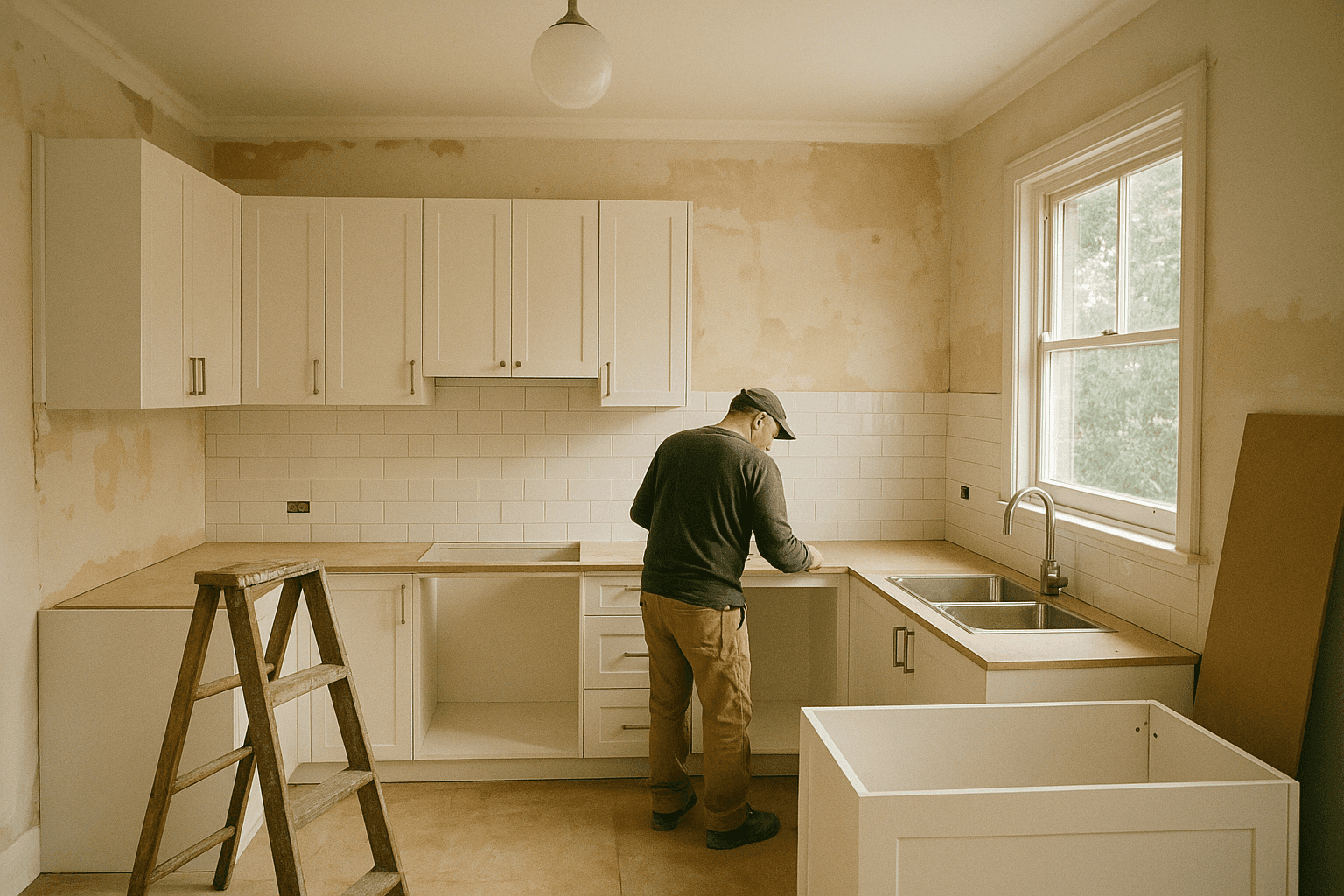
Step-by-step plan to manage a kitchen remodel and get accurate costs
Below is the nuts-and-bolts process I use on every job. Treat it like a checklist — tick off each item before you sign a contract.
H2 — Stage 1: Pre-quote groundwork (investigate and brief)
H3: Inspect the existing property
Check structure and finishes: look for sagging floors, damp, old plumbing and knob-and-tube or non-compliant wiring.
Asbestos risk: many Paddington terraces (pre-1987) contain asbestos in underfloor linings, splashbacks or eaves. If suspected, budget for testing and removal. See SafeWork NSW on asbestos: https://www.safework.nsw.gov.au
Site access: steep, narrow laneways in Paddington affect bin collection, skip bin placement and delivery trucks.
H3: Define the scope — write a clear brief
Function first: list must-haves (dishwasher, pantry, island, seating). That drives layout and cabinetry cost.
Finish level: economy, mid-range, premium. Cabinetry, benchtop, appliances and fittings account for most of the budget.
Include allowances: electrical upgrades, plumbing relocations, new flooring, demolition and waste removal.
H3: Do initial measurements and photos
Contractors want measurements before giving a quote. Provide accurate plans or let them measure on-site.
H2 — Stage 2: Design, drawings and approvals
H3: Engage a kitchen designer or architect
Designer vs architect: a kitchen designer will focus on functional layouts and cabinetry; an architect is needed for structural changes or working with heritage overlays.
Deliverables: floorplans, elevations, a joinery schedule and specification of materials, appliances and handles.
Cost of design: expect $1,500–$7,000 depending on complexity.
H3: Check council and heritage requirements
Heritage overlays in Paddington: many terraces are heritage-listed, meaning external changes and some internal works require council consent. See City of Sydney heritage guidance: https://www.cityofsydney.nsw.gov.au/heritage
Building approvals: structural changes (moving load-bearing walls, new windows, new plumbing stacks) need a Development Application (DA) or Complying Development Certificate (CDC). NSW Planning Portal: https://www.planningportal.nsw.gov.au
Waste disposal and environmental rules: check EPA for asbestos disposal and acceptable waste transfer stations: https://www.epa.nsw.gov.au
H2 — Stage 3: Getting quotes and choosing a contractor
H3: What to ask for from each trade
Detailed scope: a line-by-line quote showing demolition, materials, labour hours and provisional sums.
Cabinetry quote: include carcass materials, drawers, soft-close hardware, handle types, benchtop fabrication and installation.
Appliance supply and install: separation of supply cost vs install cost.
Plumbing and electrical: show relocation, new circuits, extraction fans, gas safety checks.
H3: Compare like-for-like quotes
Ask for the same product brands, finishes and appliance specifications.
Watch for vague allowances — unpriced provisional sums invite change orders.
H3: Check licences, insurance and references
Builders licence (if required), trades’ licences and white card. In NSW, Fair Trading explains licensing requirements: https://www.fairtrading.nsw.gov.au/home
Insurance: public liability and contract works. Ask for certificates.
References: request photos and contact details for recent Paddington jobs.
H3: Typical kitchen remodel cost ranges (Sydney — Paddington premium)
Small cosmetic facelift (paint, splashback, new benchtop): $8,000–$18,000
Mid-range renovation (new cabinets, benchtops, appliances, flooring): $30,000–$60,000
High-end full gut and reconfigure (structural changes, premium joinery, stone benchtops, integrated appliances): $80,000–$180,000+
Note: these are ballpark figures. A full quote should include a contingency of 10–15% for hidden issues.
H2 — Stage 4: Contract, scheduling and payments
H3: Contract essentials
Fixed-price vs cost-plus: fixed-price provides certainty; cost-plus can be useful for bespoke works but requires trust and clear reporting.
Scope, milestones and payment schedule: common schedules are 10% deposit, progress payments tied to milestones (demolition, cabinetry install, bench top fit off, practical completion).
Defects period and warranty: minimum 12 months on workmanship; longer for structural works.
H3: Build program and trades coordination
A kitchen reno typically involves: demolition → structural/plumbing/electrical rough-in → plaster/insulation → floor finishes → cabinet install → benchtop templating and install → appliances and fixtures → tiling → final fix and snagging.
Templates for benchtops usually occur after cabinetry install; allow 3–10 days between template and install for stone fabrication.
H2 — Stage 5: On-site management and quality control
H3: Daily/weekly checks
Keep a running list of variations and get written approvals for changes.
Photograph progress for records.
H3: Practical completion and snag list
Create a detailed snag list; contractor should rectify items within an agreed period.
Hold back final payment until all major defects are fixed.
H2 — Post-handover
H3: Warranties and manuals
Collect warranties for appliances, proof of electrical safety checks, gas certificates and compliance documents.
Keep an operation manual for the client including cleaning instructions for benchtops and finishes.
Useful keywords used in practice
kitchen renovation, kitchen remodel cost, kitchen contractor, kitchen designer, kitchen cabinets, cabinet installation, kitchen joiner, kitchen plumbing, kitchen electrical, kitchen flooring, splashback, building permit, heritage listing.
References and official links
City of Sydney — Heritage: https://www.cityofsydney.nsw.gov.au/heritage
NSW Planning Portal: https://www.planningportal.nsw.gov.au
SafeWork NSW — Asbestos: https://www.safework.nsw.gov.au
NSW EPA — Waste and disposal: https://www.epa.nsw.gov.au
NSW Fair Trading — Licensing: https://www.fairtrading.nsw.gov.au/home
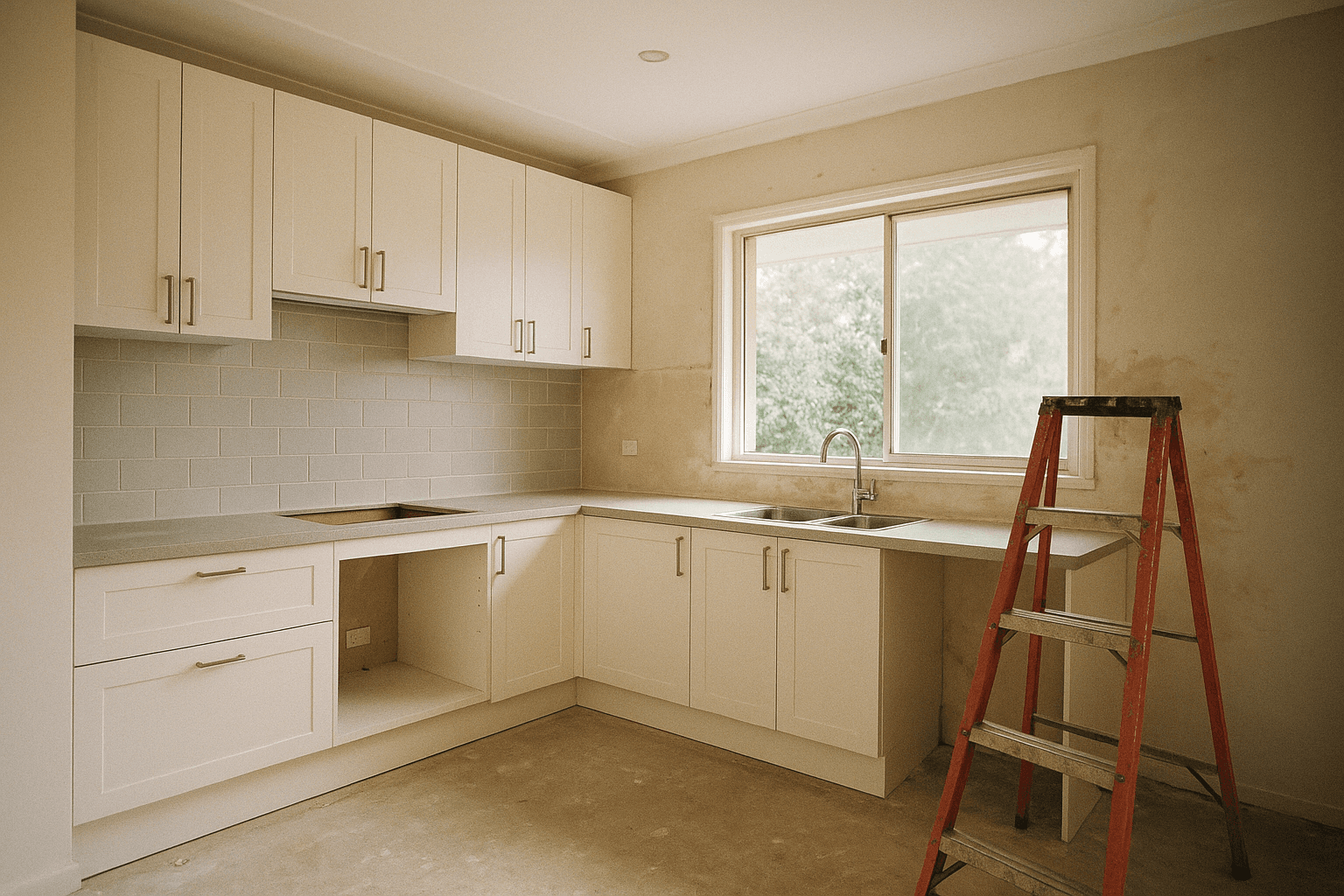
Common mistakes, expert tips and how to save money without cutting corners
This final section covers the practical traps homeowners fall into and tried-and-true ways to reduce cost while keeping quality.
Top homeowner mistakes
Picking a contractor on price alone: a low quote with little detail usually equals variations later.
Skipping a design or drawings stage: without proper plans you’ll end up making expensive decisions mid-build.
Not allowing contingency: hope isn’t a plan — budget 10–15% contingency for hidden issues in older Paddington homes.
Ignoring council/heritage: you could be forced to reinstate original features or remove unapproved works at your cost.
Loose verbal agreements: if it’s not in the contract it doesn’t exist.
How to save money without cutting corners (practical tips)
Keep the kitchen footprint: moving plumbing or structural walls is expensive. If the existing layout works, reuse it.
Refurbish rather than replace where sensible: repaint cabinetry or fit new door fronts and handles if carcasses are in good condition.
Standardise cabinet sizes and finishes: custom sizes increase cost; off-the-shelf modules are cheaper.
Choose engineered stone or laminate for benchtops in mid-range jobs: these give good aesthetics at lower cost than natural stone.
Stagger higher-end finishes: do core functional works now, upgrade finishes later when budget allows.
Buy appliances during sales or through contractor trade discounts: a small saving on appliances can pay for a premium tap or splashback.
Obtain three detailed quotes: use them to negotiate but respect the lowest isn’t always the best.
Red flags when hiring a contractor
No ABN/Builder’s licence shown.
Poor communication or unclear timelines.
High upfront payment requests (over 20–30%).
No written warranty or contract.
No references or unwillingness to show recent work in the area.
Dealing with asbestos and older homes
If asbestos is suspected, stop work and get a licensed asbestos assessor. Removal must be done by a licensed removalist. See SafeWork NSW: https://www.safework.nsw.gov.au
Expect asbestos removal to add $1,000–$6,000+ depending on location and amount.
Managing variations and costs during the job
Variations only by signed change order with price and time effect shown.
Monitor materials lead times (stone benchtops, European appliances, splashbacks) — an out-of-stock item can stall the program.
Keep a contingency trust account or staged savings to pay for inevitable extras.
A few trade secrets from a construction manager
Book the cabinet installer early: the whole program revolves around cabinetry and benchtop templating.
Order tiles and timber flooring with a 10% overage to allow for cuts and defects.
Get peg tests for drainage before final connections to avoid later excavations.
Confirm extraction performance: an underpowered hood will leave the kitchen smelling of cooking; ask for appliance CAD data and ducting layouts.
Example payment schedule I use on Sydney jobs (Paddington premium)
10% deposit on signature (materials ordered)
30% on demolition completion and rough-ins started
30% on cabinetry installed and benchtop templated
25% on practical completion (snags to be fixed within 14 days)
5% retention held for defects period (or 12 months)
This schedule keeps trades paid but retains a holdback to ensure snags are addressed.
Social proof from locals
People in Paddington frequently discuss renovation timelines and trades issues on local forums and Reddit threads. Common themes are:
Delays from council approvals and confusion over heritage requirements.
Trades coordination hassles in narrow terraces and limited access areas.
Positive mentions when homeowners hired a local kitchen contractor familiar with Paddington’s quirks — they reported faster approvals, realistic quotes and better handling of asbestos and skip placement.
These anecdotal reports back up what I see on the tools: local knowledge saves money and time.
Final checklist before you sign
Detailed written quote (scope, exclusions, provisional sums)
Builder/trades licences and insurance certificates
Signed contract with payment schedule, practical completion date and defects period
Design drawings, cabinet schedules and materials list
Council approvals or advice from a certifier
Contingency fund in place (10–15%)
If you want, I can provide a short template for a contractor checklist or a sample scope-of-works brief tailored to a Paddington terrace. Getting these written down before you engage a contractor will save you thousands and heaps of heartache.
Good luck — with the right planning, the right contractor and a solid brief your kitchen renovation can be a smooth, rewarding upgrade. If you need a local contractor shortlist, a scope template or a sample payment schedule, tell me the size and condition of your kitchen and I’ll tailor it for you.
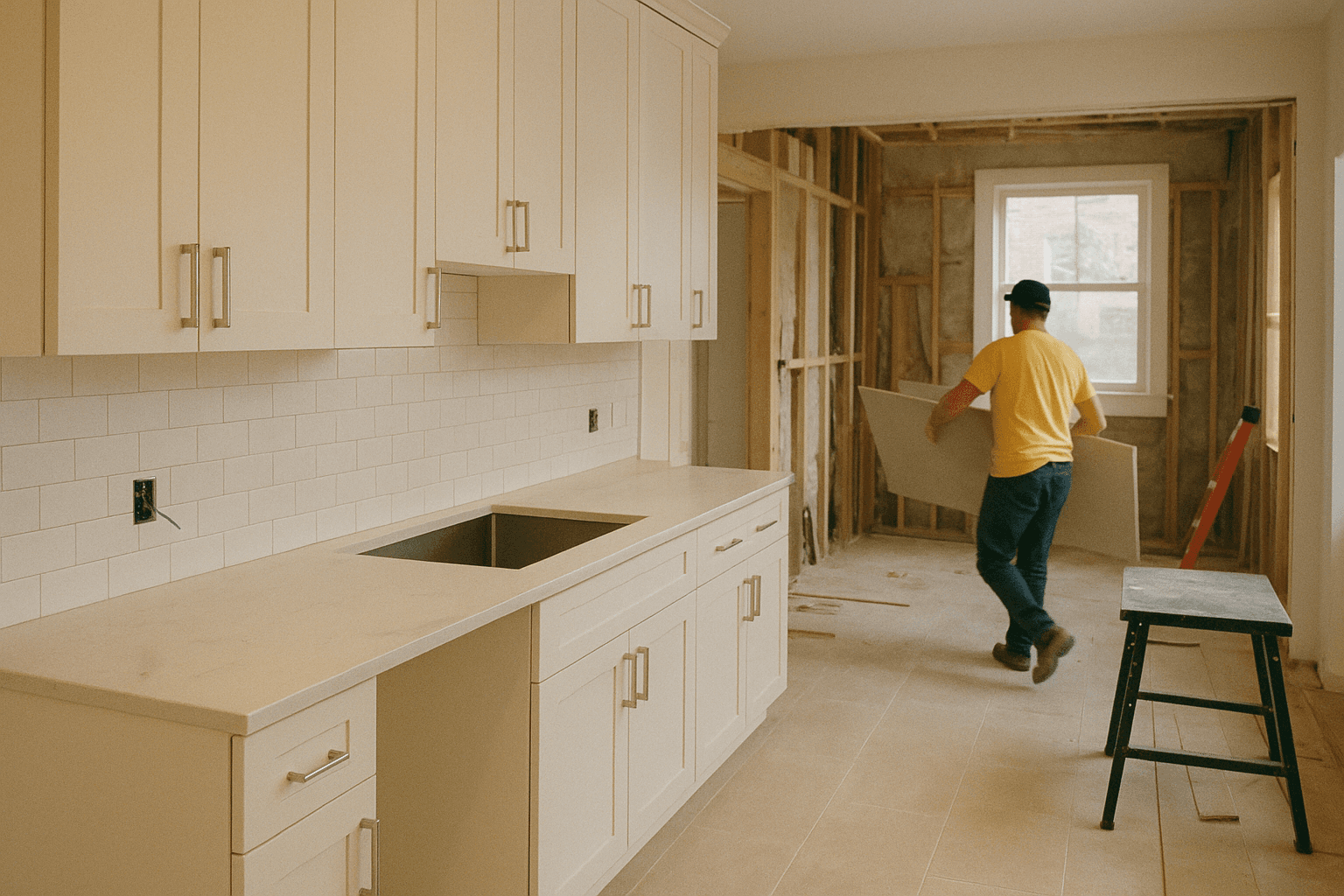
AI-Powered Renovation Expert