Written by the Instant Reno Team
Facing the Renovation Headache?
If you’ve ever stood in a soggy bathroom wondering how much to pay and who to trust, you’re not alone. Bathroom remodel contractors are the most asked-about trades when it comes to bathroom makeovers — but poor planning, hidden costs and dodgy tradies can turn a dream ensuite into a drama. Accurate planning and realistic cost estimation are critical to avoid budget blowouts, council headaches and extended living disruptions.
This guide is written from 20+ years on Australian renovation sites — from inner-city terraces to coastal weatherboard homes — and it's aimed at giving you the practical, no-nonsense checklist and costing detail you need before you pick up the phone. I’ll walk you through step-by-step actions, realistic price ranges in Australian dollars, where to spend (and where to save), plus the common mistakes homeowners make when hiring bathroom contractors.
What you’ll get in this guide:
A clear plan to brief a bathroom contractor properly
A robust cost estimate with material and labour breakdowns
Permit and council pointers so you don’t get pinged later
Practical tips to save money without chopping quality
Whether you’re doing a quick cosmetic refresh, a mid-range renovation, or a full strip-and-rebuild, this guide will help you feel confident negotiating quotes and managing the job to completion. Let’s cut to the chase — no fluff, just what matters when you’re hiring bathroom remodel contractors in Australia.
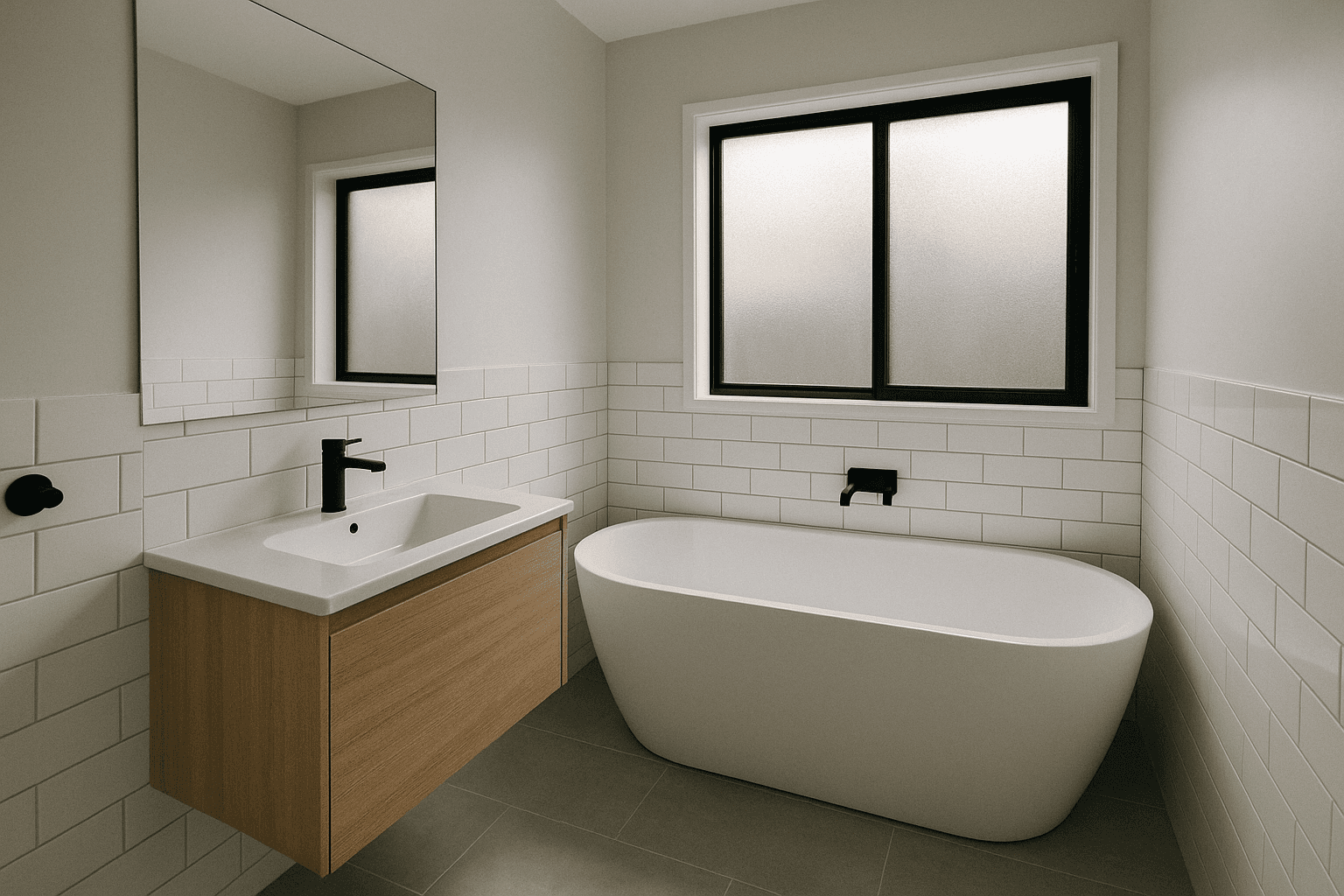
Step-by-step Plan to Renovate Your Bathroom
A structured approach saves time and money. Use the following steps as your renovation road map.
1) Define Scope and Priorities
Decide scope: cosmetic refresh (paint, new fixtures), mid-range (vanity, shower, moderate layout change), or full gut and rebuild (repositioning plumbing, new layout).
List must-haves vs nice-to-haves. Must-haves should cover waterproofing, good drainage, and ventilation.
Measure: total bathroom area, ceiling height, fixtures to be replaced, and access restrictions (narrow laneways, stairs, unit lift access).
2) Prepare a Brief to Get Accurate Quotes
Provide potential contractors with:
Photographs of the existing bathroom (angles and close-ups of trouble spots).
Simple sketch with measurements and locations of the toilet, shower, bath, sink, and the meter / meterbox.
A clear list of fixtures you want (vanity size, shower type, tiles, tapware brand/class).
Any preference for subcontractors (plumber/electrician) or if you want the contractor to manage all trades.
3) Get Multiple Quotes and Read Them Carefully
Aim for at least three written quotes — do not accept a price over the phone.
Quotes should itemise: labour, materials, provisional sums (PS), variations, and timeframes.
Check inclusions: waterproofing certificate, tile grouts, shower screens, chrome fixings, plaster repair, painting.
Ask about payment schedule: typically deposit 10–20% on acceptance, staged payments on milestones, balance on completion.
4) Check Credentials and Insurance
Verify contractor ABN and that they hold public liability insurance (minimum $5–10 million recommended).
Confirm trade licences for plumbing and electrical work: plumbers must be licensed; electricians must be registered.
For older homes, ask about asbestos management and removal licensing.
5) Plan for Living Arrangements and Site Access
Decide if you’ll be without a bathroom or if you can use another bathroom in the house.
Agree on working hours, site storage, and waste removal plan (skip bins, tip fees).
Confirm who will obtain council permits if required.
Estimating the Costs for the chossen keywords
This is the money section. Below are realistic price bands for bathroom jobs across Australia in 2025 prices — use them as a working guide. Prices vary by city (Sydney/Melbourne higher), suburb access, and house age.
Typical Project Types and Price Ranges (AUD)
Cosmetic refresh (small bathroom, no layout changes): $4,000–$9,000
New basin, tapware, vanity front, paint, regrout and reglaze (if needed), light plumbing adjustments.
Mid-range renovation (new tiles, shower, vanity, minor layout changes): $12,000–$25,000
New shower base or tray, frameless screen, tiled walls and floors, waterproofing, new fixtures.
Full gut and rebuild (layout changes, new plumbing and electrical): $25,000–$60,000+
Includes moving plumbing lines, new exhaust, in-floor waterproofing, high-end finishes.
Ensuite renovations: typically 10–30% less than a main bathroom due to smaller footprint, but often more due to higher-spec fixtures: $8,000–$35,000.
Itemised Material and Labour Breakdowns
Demolition & disposal: $500–$2,500 depending on access and asbestos presence.
Plumbing:
Basic adjustments: $600–$1,500
Repositioning shower or toilet (new drains): $1,500–$6,000
Electrical:
Powerpoints, LED downlights, extractor fan: $300–$1,500
Heated towel rails: $400–$1,200 (plus wiring cost)
Waterproofing: $800–$3,500 depending on bathroom size and warranty level. Always use a licensed waterproofing applicator.
Tiling:
Wall tiles: $30–$90/m2 installed (labour + adhesive).
Floor tiles: $40–$130/m2 installed (varies by tile size and complexity).
Feature mosaic or cut tiles: from $100/m2.
Vanity & basin: $400 (basic) to $6,000 (custom timber joinery).
Shower screen: $400–$2,200 (frameless higher cost)
Toilet suite: $250–$950
Fixtures and tapware: $120–$900 per item (quality matters; cheap taps can dribble and corrode).
Labour:
Carpenter/tiler/plasterer rates vary: expect $50–$110/hr per tradie or day rates included in fixed quotes. Many contractors price labour into a lump sum rather than hourly.
Provisional Sums and Contingency
Provisional sum: Include for unknowns like rotten joists, concealed leaks, or corroded drains. Typical PS: $1,000–$8,000 depending on job size.
Contingency: Always add 10–20% contingency for surprises — older homes frequently reveal hidden issues once walls come down.
How to Compare Quotes Properly
Normalize quotes by asking contractors to price the exact same brief and materials.
Check warranty terms: workmanship warranty (usually 6–12 months) and product warranties.
Ask if sub-contractors are direct employees or casual subs — this affects reliability.
If a quote is significantly lower, ask what’s excluded. Cheap can become expensive fast.
Financing Options
Many homeowners use savings, redraws, or renovation loans.
For larger projects, consider a fixed-rate renovation loan or redraw from mortgage (talk to your broker/bank first).
Avoid paying large deposits to unsecured individuals; secure funds in a trust account or via staged payments.
Permits and Compliance
Most internal bathroom renovations do not require full council approval unless structural changes, window changes, or plumbing relocations affect external drainage.
Check your local council and building code requirements; a licensed contractor should advise on necessary permits and provide compliance certificates.
For strata/townhouse living, you may need body corporate approval for external waste changes or noise-sensitive work. Get approvals in writing.
Choosing the Right Bathroom Remodel Contractor
Look for: positive portfolio, clear written contract, references, insurance, and a local presence.
Ask to see job sites and finished work in the same price band.
Check online reviews and local forums. People in Australia often discuss contractors on Reddit and local Facebook community pages — comments commonly highlight communication and timeliness as the deciding factors.
Sample Brief Template to Give Contractors (short)
Bathroom size: 2.5 x 2.0m. Remove existing tiles and fixtures; repair subfloor; new waterproofing; new 900mm vanity; tiled shower floor; frameless screen to 900mm; replace toilet; 2x recessed downlights; new extractor fan; paint ceiling.
Desired finishes: 300 x 600 porcelain wall tile, 600 x 600 matte floor tile, chrome mixer tapware, timber-look vanity cabinet. Include all labour, materials, disposal, and minor electrical/plumbing relocations.
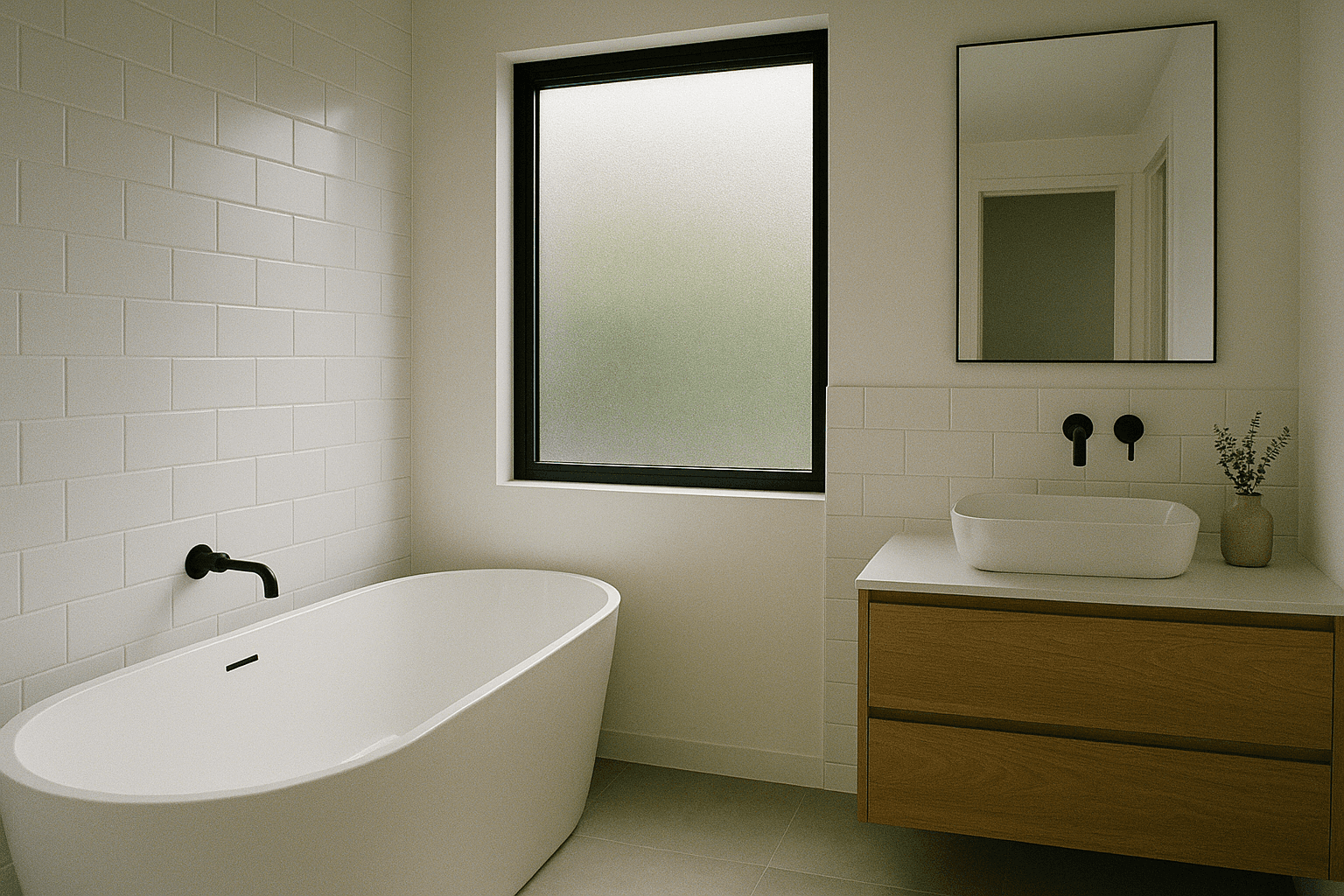
Common Mistakes Homeowners Make — And How to Avoid Them
Mistake 1: Choosing Solely on Price
Contractors who undercut the market often cut corners on waterproofing, use low-quality adhesives or unlicensed subs.
Instead: ask for itemised quotes, check references, and confirm waterproofing certificate and licensed trades.
Mistake 2: Not Allowing Enough Contingency
Hidden rot, corroded waste pipes, asbestos, or non-compliant old plumbing can add thousands.
Instead: budget 10–20% contingency and a provisional sum for unknowns. If the property is older than 1970, budget for asbestos testing/removal.
Mistake 3: Vague Briefs that Lead to Variations
Verbal agreements or vague specs lead to variations (changes) and disputes.
Instead: provide a written brief with images and exact materials. Ensure the contract covers variations procedure and costs.
Mistake 4: Ignoring Ventilation and Waterproofing
Poor ventilation leads to mould and repeated repainting; poor waterproofing leads to leaks and structural damage.
Instead: invest in a properly sized exhaust fan and licensed waterproofing. These are not places to skimp.
Mistake 5: Over-customising for Resale Value
Ultra-personalised finishes can limit resale appeal and increase cost without corresponding return.
Instead: choose timeless tiles and good-quality fixtures. Splurge on functional items (waterproofing, good drains, efficient layout) and moderate on cosmetics.
How to Save Money Without Cutting Corners
Keep the footprint: moving plumbing drains or walls is expensive. Reuse existing soil and waste locations if possible.
Retain the original layout: keeps plumbing labour and materials down.
Mix finishes: splurge on the tapware and vanity, but use mid-range tiles and standard shower screens.
Buy fixtures yourself: sometimes you can source a bargain on a vanity or tapware; get the contractor to quote installation only. But be careful — mismatched warranties or wrong sizing can cause issues.
Use a package deal: some contractors have supplier relationships and can save you money on tiles and fittings if managed through them.
Stage the work: if budget is tight, do critical waterproofing and plumbing now, then finish cosmetic items later without reopening walls.
Things to Watch During the Job
Daily site cleanliness: dust containment and waste removal.
Waterproofing: request to see the membrane application and the sign-off certificate before tiling.
Tile layout: check tile cuts and grout colour before final bedding.
Trades coordination: ensure the plumber and electrician attend on agreed days to avoid delays.
Final Walkthrough and Handover
Carry out a defects list (punch list) and agree on a rectification timeframe in writing.
Obtain warranties, product manuals, and waterproofing/occupancy certificates.
Ask the contractor for maintenance tips: grout sealing, silicon replacement, and tile cleaning.
Local Voices & Social Proof
In local Australian renovation forums, homeowners often emphasise communication and cleanliness. Posts commonly note: 'best contractors kept us informed, finished to schedule, and cleaned up nightly' and 'beware of cheap quotes that ballooned after walls came down.' This is consistent across city and suburban threads.
Final Thoughts — Practical, Fair and Ready
Getting a reliable bathroom contractor is about clarity: clear scope, clear pricing, clear expectations and fair contingency. Spend your budget on what protects the structure first — waterproofing, competent plumbing, and adequate ventilation — then on finishes. With the right brief, a few good quotes and a sensible contingency, you’ll avoid the usual headaches and get a bathroom that lasts.
If you want, send through your brief, photos and measurements — I can tell you what to expect on price and what to ask each contractor. No fluff, just practical advice so your reno goes off like a treat.
AI-Powered Renovation Expert