Written by the Instant Reno Team
The Paddington Bathroom Renovation Blueprint: What bathroom remodel contractors Won't Tell You
If you're staring at tiles coming off the wall, a dodgy shower recess or a Victorian terrace powder room that needs a proper redo, you already know how quickly things can blow out. Bathroom remodel contractors will tell you a price, but accurate planning and realistic cost estimation are what stop your job turning into a cash-eating nightmare. In inner-city suburbs like Paddington (tight terraces, heritage overlays and narrow laneways), the planning and quoting stage is make-or-break.
Why? Because bathrooms are deceptively complex: waterproofing, structural changes, plumbing relocations, council approvals and heritage constraints bite into time and budget. If you don’t lock down a plan and numbers up front you’ll cop nasty surprises — trades waiting around, extra permits, asbestos finds and wet-weather delays. This guide gives you a blunt, practical roadmap for Paddington-style renovations so you can plan properly, speak the trades’ language and get a realistic budget before you sign anything.
H2: What makes Paddington different
Heritage terraces and cottages — many homes are heritage-listed or in conservation areas; external windows, joinery and even internal features may need approval.
Tight access & narrow streets — trades, deliveries and waste bins can be tricky; expect higher labour/time for material handling and waste uplift.
Older services — copper pipework, cast-iron drains, and asbestos-containing materials are common in pre-1970s builds.
Victorian layouts — small footprint bathrooms, steep staircases and odd angles increase custom cabinetry and labour costs.
Local rules to check (Paddington / City of Sydney):
City of Sydney heritage & development controls: https://www.cityofsydney.nsw.gov.au/building-development/heritage
Waste and demolition guidance (City of Sydney): https://www.cityofsydney.nsw.gov.au/environment/waste-and-recycling
NSW rules for asbestos removal and management: https://www.safework.nsw.gov.au/hazards-a-z/asbestos
What locals say (social proof)
People in Paddington and nearby suburbs have mentioned on local forums and Reddit threads that getting a certifier on board early and checking heritage overlays saved them weeks of delay and unexpected costs. Others report low-ball quotes that ballooned after a council condition or concealed rot was found — so ask for detail and a written scope.
Quick note: this guide is written for homeowners in Sydney’s inner suburbs (Paddington-focused examples) but the costing approach and planning tips apply across Australia. No fluff — just practical stuff you can action this arvo.
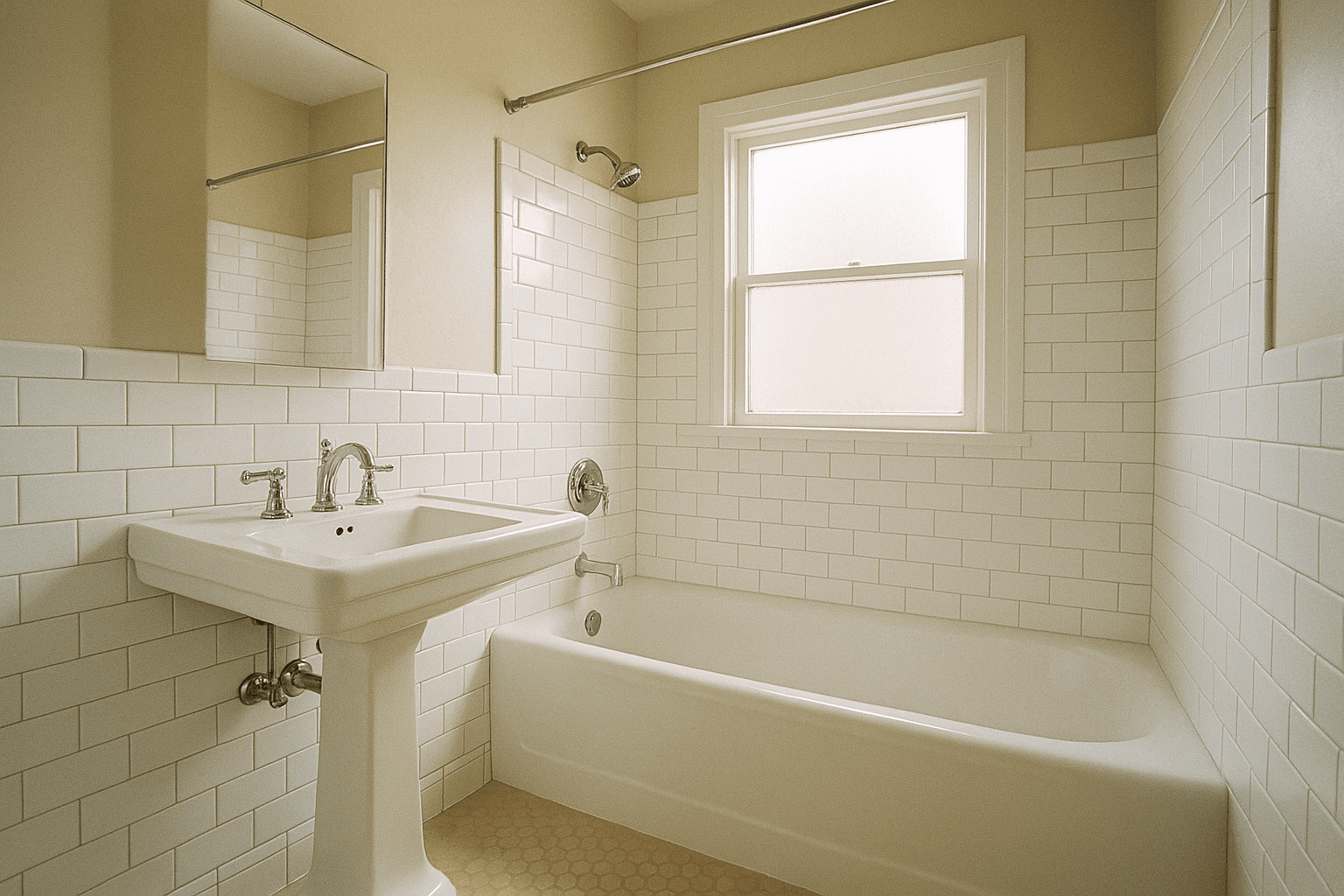
Planning and step-by-step process for a successful renovation
Embarking on a bathroom renovation without a clear, orderly process is how projects go pear-shaped. Below is a stepwise method used by experienced bathroom renovators in Sydney.
1. Define the brief and priorities
List must-haves vs nice-to-haves (e.g., separate shower and bath, built-in niches, heated towel rail).
Decide scope: full strip-out or cosmetic refresh? Will you move plumbing? Add a window or change floor levels?
Set a practical timeline: 4–12 weeks typical for full reno in a small terrace bathroom, longer if heritage approvals or structural work required.
2. Get measured drawings and a concept
Hire a draftsperson or bathroom designer to produce accurate dimensions and a concept plan. In Paddington, odd walls and cornices can hide structural quirks — accurate drawings avoid surprises.
3. Check council and compliance requirements
Heritage: If your property is in a heritage conservation area, you may need development approval for changes that affect external appearance or significant internal elements. Refer: City of Sydney heritage guidance: https://www.cityofsydney.nsw.gov.au/building-development/heritage
Plumbing and waterproofing: Must comply with the Plumbing Code and AS 3740 for waterproofing wet areas.
Asbestos: If the house is pre-1990, test for asbestos and, if present, arrange licensed removal through SafeWork NSW guidance: https://www.safework.nsw.gov.au/hazards-a-z/asbestos
4. Select trades and request detailed quotes
Obtain at least 3 written quotes from licensed bathroom remodel contractors, plumbers, tilers and electricians.
Ask for itemised scopes: demolition, disposal, waterproofing, plumbing rough-in, tiling, joinery, fixtures, and final fit-off.
Check licences: in NSW, builders and specialised trades must be licensed — verify via NSW Fair Trading: https://www.fairtrading.nsw.gov.au
5. Lock in a contract and payment schedule
Use a simple, clear domestic building contract that states scope, inclusions, exclusions, timeline, variations process and warranty.
Typical payment schedule: deposit (5–20%), progress payments at agreed milestones, final retention (5–10%) on completion.
6. Pre-start checks
Order long-lead items early (custom vanities, mirrored cabinets, feature tiles).
Confirm site access, materials delivery point and rubbish removal plan (Paddington lanes may need permit for skip bins).
Engage a building certifier if structural changes occur or local council requires an occupation certificate.
7. Execution sequence
Demolition and strip-out
Structural alterations and plumbing rough-in
Windows/airflow changes (with approvals)
Waterproofing and pre-tile checks
Tiling and joinery installation
Fixtures fit-off and final plumbing/electrical
Snagging, final clean and handover
H2: Estimating the Costs for bathroom remodel contractors
This is the money bit. Below is a realistic breakdown tailored to inner-city Sydney (Paddington). Prices vary across Australia, but the ranges are meant to be practical and honest — they come from years on jobs and current market rates.
Note: Include a contingency of 15–25% for older properties where concealed issues are likely.
Typical overall cost ranges (2025 guide prices)
Powder room / small ensuite (simple, cosmetic): $6,000 – $12,000
Standard family bathroom (full strip-out, mid-range fixtures): $15,000 – $35,000
High-end / designer bathroom (custom joinery, premium tiles, heated floors): $35,000 – $70,000+
These bands reflect full renovation costs — design, trades, materials, disposal and compliance. In Paddington, add 5–15% for access issues, heritage requirements and waste logistics.
Example itemised cost breakdown (3.0m x 2.2m family bathroom)
Demolition & waste removal: $800 – $2,500 (skip hire, labour — tight laneways push the price up)
Asbestos testing & removal (if required): $350 – $3,500+ depending on area and containment
Plumbing (rough-in & fit-off): $1,800 – $6,000 (includes relocating fixtures, new waste lines)
Waterproofing: $1,000 – $4,000 (AS 3740 compliant; labour + materials)
Tiling (walls & floors): $1,500 – $6,000 (tiles themselves vary widely; labour intensive)
Vanity & joinery: $600 – $5,000+ (off-the-shelf vs custom)
Toilet: $200 – $900
Shower screen: $400 – $1,800
Tapware & fittings: $300 – $2,000
Lighting & electrical: $300 – $1,200
Heating (towel rail / underfloor): $300 – $2,500
Labour/general contractor margin: Often 15–25% of job or built into itemised trades
Certifier/DA fees (if required): $500 – $3,000
Total ballpark for this size: $18,000 – $45,000 depending on choices.
Material cost guide (per unit)
Ceramic floor tile: $25 – $120 / m2
Porcelain feature wall tile: $60 – $300 / m2
Standard vanity (pre-made): $400 – $1,200
Custom timber vanity: $1,500 – $5,000+
Mirror cabinet: $150 – $1,200
Premium tapware: $300 – $1,500 each
Glass shower screen: $400 – $1,800
Labour rates (typical ranges — vary by city & experience)
Licensed plumber: $90 – $160 / hour or quoted per job
Electrician: $80 – $140 / hour
Tiler: $45 – $90 / hour or quoted per m2
Carpenter / joiner: $70 – $140 / hour
Remember: in an inner-city job, time lost to parking, stairs and multiple trips adds cost. Trades often factor this into their rates.
How to get accurate quotes (practical tips)
Give each contractor the same drawings and a fixed list of fixtures and tiles.
Ask for an itemised quote with unit rates for common items (e.g., per m2 tiling, shower screen, vanity fit-off).
Clarify what’s excluded: structural alterations, council fees, latent conditions, waterproofing extent.
Make variation pricing clear: set rates for additional tile removal, extra plumbing relocations etc.
When you need a DA, CDC or building certifier
Small internal-only works that don’t affect structure or external appearance often proceed under Complying Development (CDC) or are exempt. But in heritage areas, even internal works can trigger consent.
Early conversation with City of Sydney planning officers or a private certifier saves weeks. Link: https://www.cityofsydney.nsw.gov.au/building-development/heritage
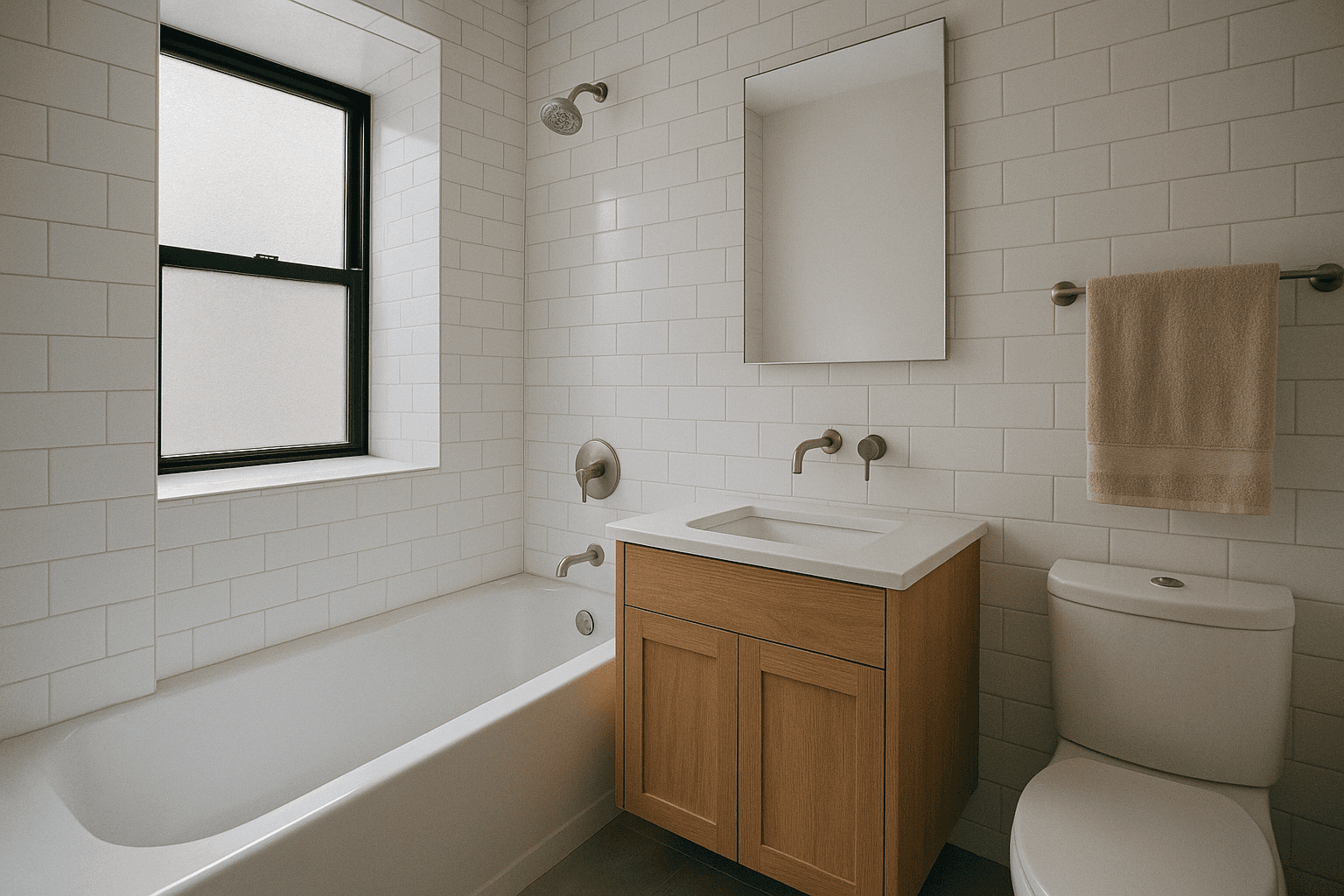
Common traps, mistakes and how to avoid them
If you want to keep your sanity and your savings, avoid these classic mistakes.
Mistake 1 — Picking the cheapest quote without checking scope
The cheapest builder often excludes key items or assumes standard finishes. Result: lots of variations and surprise bills.
Fix: insist on itemised quotes and a clear inclusions/exclusions list. Ask for previous jobs of similar type and check references.
Mistake 2 — Ignoring waterproofing and ventilation
Poor waterproofing or inadequate ventilation is the main cause of failure. Mould, tile delamination and rotten framing are expensive to fix.
Fix: insist on AS 3740-compliant waterproofing; get the tiler’s warranty in writing; ensure exhaust ventilation is correctly sized and ducted.
Mistake 3 — Not budgeting for concealed issues
Old drains, rotten joists, termite damage and asbestos are common in Paddington terraces. These are not included in neat initial quotes.
Fix: add a contingency of at least 15–25%. Order a plumbing camera inspection or asbestos test if you suspect issues.
Mistake 4 — Poor sequencing and multiple trades waiting around
Uncoordinated scheduling leads to idle trades and cost blowouts.
Fix: use a builder or project manager with a clear program. Agree milestone payments tied to completion stages.
Mistake 5 — Failing to check licences, insurance and warranty
Always check the contractor’s license and public liability insurance. Ask for evidence.
Fix: in NSW, verify licences via NSW Fair Trading: https://www.fairtrading.nsw.gov.au
Smart ways to save money without cutting corners
Keep plumbing where it is: Moving waste lines and water supply is expensive. Retain existing locations where possible.
Reuse the layout: Same footprint, modern fixtures and tiles gives a fresh look for less.
Choose standard-size tiles: Large-format or custom tiles increase wastage and handling time.
Buy fittings during sales: Tapware and mirrors often have seasonal discounts — buy early and store.
Order long-lead items early: Avoid downtime waiting for a vanity or custom cabinet.
Use a reputable demobiliser: Local skip and uplift firms familiar with Paddington lanes will save time.
Stage work: If budget’s tight, do wet-area waterproofing and basic fit-off first, then upgrade finishes later.
Things to look out for during the job
Daily site notes & photos: Ask contractors to record progress and any unexpected findings.
Written variations: No verbal changes. Any variation must be priced and signed before work proceeds.
Warranty & defects period: Get a written defects liability period (commonly 12 months). Confirm who’s responsible for follow-up.
Final sign-off: Do a joint inspection with the builder and note snags on a handover list.
Final checklist before you sign
Accurate, itemised quote from at least three bathroom remodel contractors.
Clear contract with timeline, payment schedule and defect rectification terms.
Proof of trades’ licences and insurance.
Confirmed waterproofing method and tiler’s warranty.
Contingency amount agreed in your own budget (15–25%).
Council or certifier approvals if required.
Parting advice from a local site manager
Renovating in Paddington is a bit of hard yakka — narrow streets, heritage quirks and older services — but it’s also rewarding. Plan like you mean it: get proper drawings, check heritage and asbestos early, insist on itemised quotes and keep a reasonable contingency. Don’t be shy about asking trades to explain why they’ve priced something; experienced bathroom remodel contractors respect homeowners who know what they want and can talk details.
If you want a practical next step: get a sketch of your space, pick 2–3 priority items (e.g., keep plumbing, new tiles, feature vanity) and request three detailed quotes using the same specification. That’ll tell you quickly which bidders know their stuff and which are guessing.
Good on ya — with the right prep you’ll avoid the common horror stories and end up with a tidy, long-lasting bathroom that suits a Paddington terrace. No mucking around, just smart planning.
Sources & further reading
City of Sydney — Heritage & building development: https://www.cityofsydney.nsw.gov.au/building-development/heritage
SafeWork NSW — Asbestos: https://www.safework.nsw.gov.au/hazards-a-z/asbestos
NSW Fair Trading — Contracts and licences: https://www.fairtrading.nsw.gov.au
Australian Standard AS 3740 — Waterproofing of domestic wet areas (referenced for compliance)
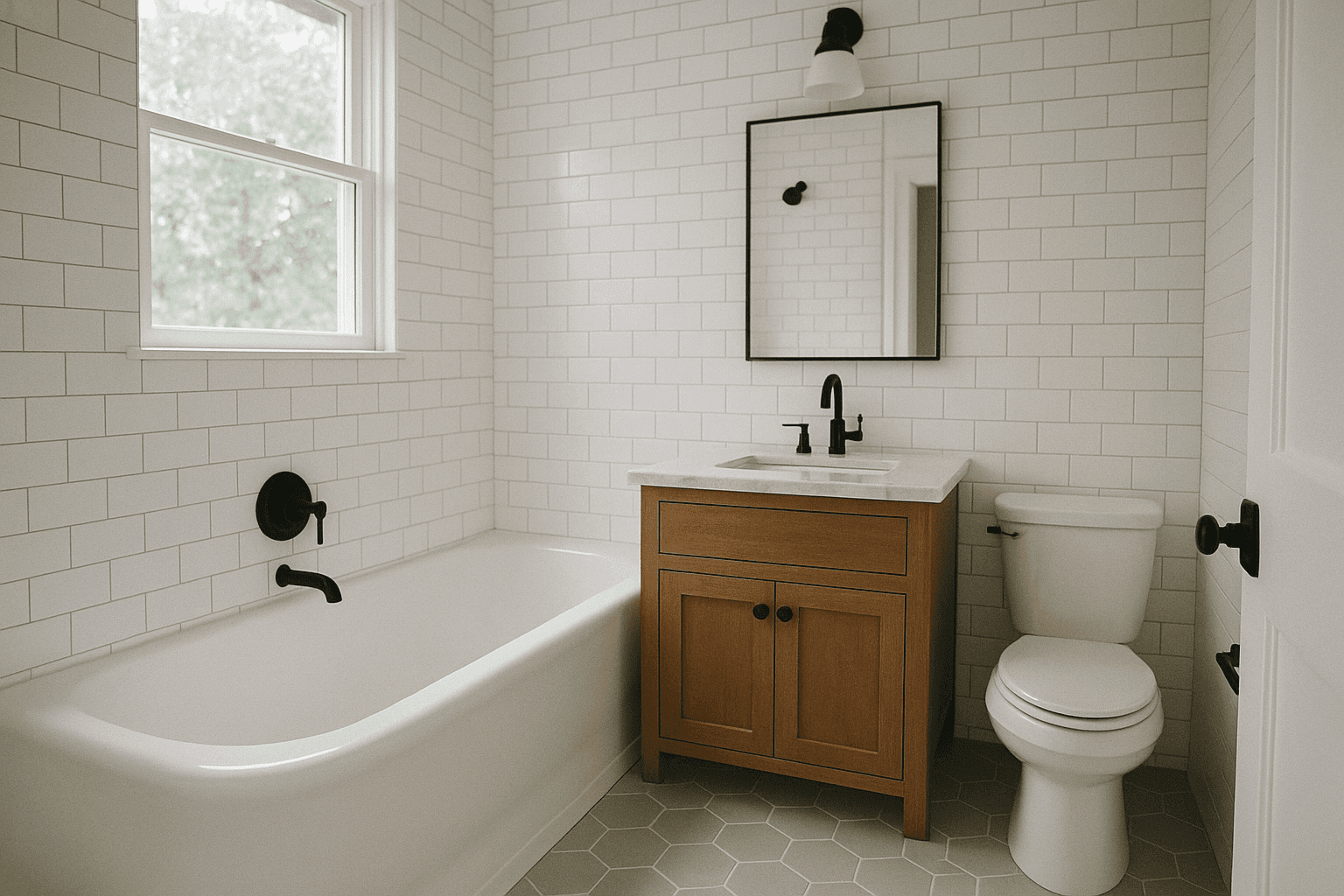
AI-Powered Renovation Expert